


|
|
|
|
|
|
A closer look at material choice, magnetic connection design, realistic fruit details, and coordinated product collections
Fruit cutting toys have become a familiar part of children's pretend-play products. The concept is easy to understand: children hold a toy knife, separate a piece of play food, and reconnect it to repeat the activity. For brands and distributors, however, developing another fruit cutting set that looks similar to existing products can be a challenge.
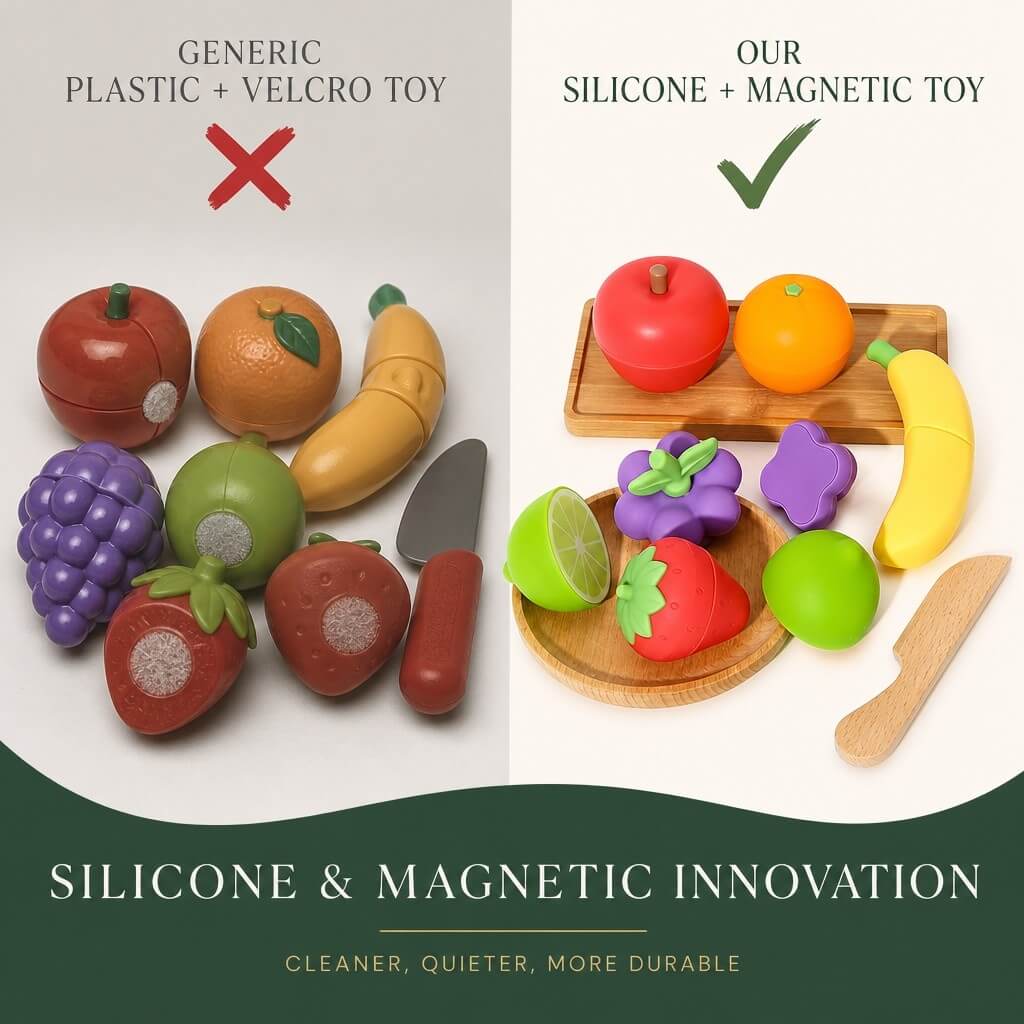
Many conventional sets use rigid plastic fruit with hook-and-loop fasteners. This construction is familiar to consumers, but it can create product-experience limitations. Hard components may feel less comfortable to handle and can produce more noticeable noise during play. Hook-and-loop connections can collect lint and debris, and their fastening performance may decline with repeated use.
For B2B buyers, these details present an opportunity to reconsider the product at the design level. Instead of competing only through the number of fruit pieces or the packaging design, brands can differentiate through material, connection mechanism, tactile experience, and the way individual products work together as a collection.
KEAN's TOY31 Silicone Fruit Cutting Toy Set takes this alternative approach by combining soft silicone fruit with built-in magnetic connections. Together with the matching vegetable cutting toy concept, it offers a foundation for brands looking to build a more coordinated pretend-play range.
The Problem with Conventional Fruit Cutting Toy Design
The traditional fruit cutting toy follows a straightforward formula: rigid plastic food pieces, hook-and-loop fasteners, and a toy knife. This format can deliver the basic cutting-play experience, but the connection mechanism and material also influence how the product feels and performs over time.
One consideration is tactile experience. Rigid plastic provides a firm surface, whereas silicone offers a softer, more flexible touch. For brands targeting customers who prefer softer play materials, this difference can be an important part of product positioning.
Another consideration is the fastening system. Hook-and-loop material allows two halves to attach and separate, but its exposed fastening surface may collect dust, lint, or other debris. Repeated use can also affect how securely the pieces reconnect. These issues depend on the specific design and material quality, so buyers should evaluate actual samples rather than assume every conventional product performs the same way.
A third consideration is the quality of the play interaction. A fruit cutting toy should do more than look like food. The child needs to separate the pieces, recognize the fruit, align the halves, and reconnect them. The ease and consistency of this repeated interaction can affect the perceived quality of the product.
These are the design challenges KEAN's TOY31 addresses through a different combination of materials and structure.
Silicone + Magnetic Connection: A Different Product Experience
TOY31 combines food-grade silicone fruit pieces with an integrated magnetic connection. The pieces can be separated during pretend cutting and reconnected afterward, creating a repeatable cut–separate–match–reconnect activity.
The distinction from conventional hook-and-loop designs is not simply that the connection is magnetic. It is that the connection mechanism works together with the silicone body to create a different overall experience.
The silicone construction provides a softer tactile feel than rigid plastic, while the magnetic connection avoids the exposed hook-and-loop surface used in many traditional sets. It also allows children to repeat the cutting activity without repeatedly fastening and peeling apart a hook-and-loop strip.
For product brands, this creates a clear way to communicate the difference between two familiar product concepts.
Design consideration | Conventional plastic + hook-and-loop concept | KEAN TOY31 approach |
Main material | Often rigid plastic | Soft silicone fruit pieces |
Connection mechanism | Hook-and-loop fastening | Built-in magnetic connection |
Tactile experience | Firm, rigid surface | Softer, more flexible surface |
Repeated interaction | Attach and separate hook-and-loop surfaces | Separate and reconnect magnetic pieces |
Fastening surface | Exposed hook-and-loop may collect debris | No exposed hook-and-loop surface |
Product positioning | Traditional pretend-food cutting play | Silicone-based magnetic cutting play |
Learning opportunities | Depend on the individual set | Fruit recognition, matching, coordination, and role-play |
This comparison describes the design approaches rather than guaranteeing that every product in either category will perform identically. Material quality, structural design, testing, and production control still matter.
For B2B buyers, the value lies in having a tangible point of differentiation that can be explained to retailers, distributors, and end customers.
|
|
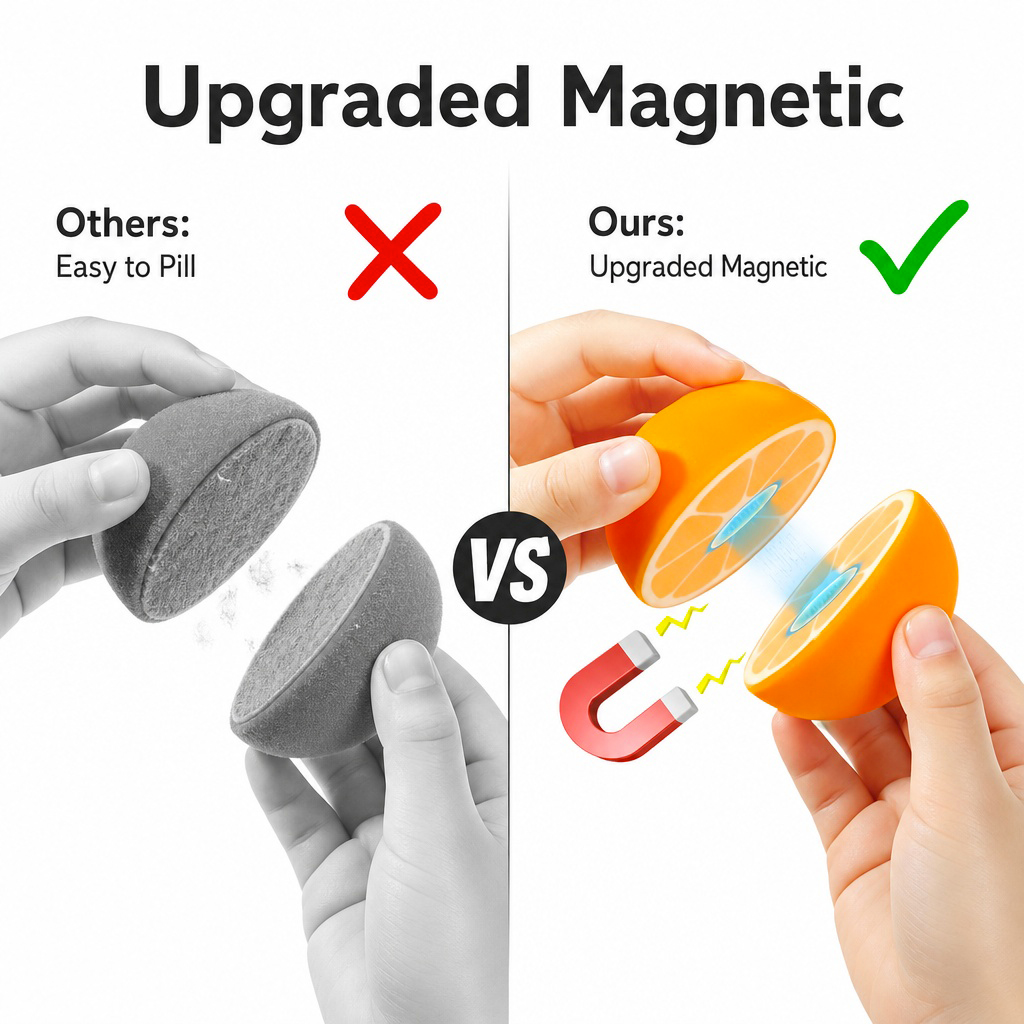
The Engineering Behind a Magnetic Cutting Toy
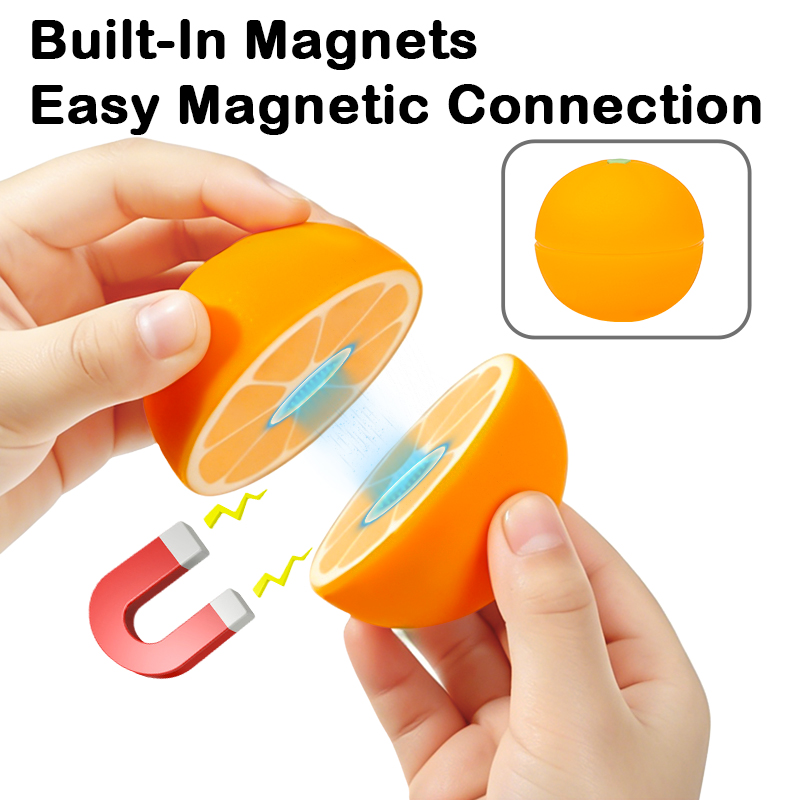
A magnetic connection may appear simple from the outside, but it requires careful integration into the product. The magnetic components must work with the geometry of the two fruit halves so that the pieces separate and reconnect as intended.
For TOY31, the internal magnetic structure is a central part of the design. It replaces the exposed fastening interface found in traditional hook-and-loop fruit toys and creates a different connection experience.
Several engineering considerations are important when developing this type of product.
Magnet positioning and retention. The magnetic components need to be positioned consistently so that the fruit halves can reconnect as intended. The design should also be evaluated to ensure the magnets remain inaccessible during normal use and foreseeable wear or damage.
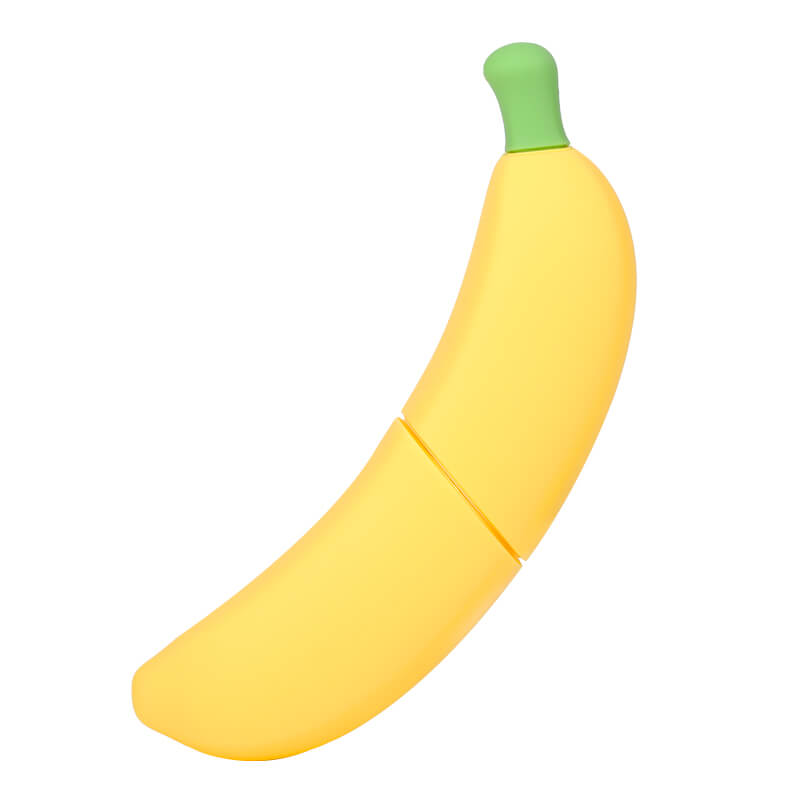
Mold design and geometry. The shape of each fruit influences how the two halves align and how the magnetic connection functions. Different fruit shapes—including a curved banana, rounded apple, and clustered grape design—require their own geometry considerations rather than a single generic form.
Encapsulation integrity. The structure surrounding internal magnets must be assessed through appropriate design validation and quality checks. A magnet becoming accessible can present a serious ingestion hazard. Concealing a magnet inside a product does not, by itself, establish that the finished toy is safe.
Repeatable production. Once the design is approved, the manufacturing process must reproduce the fruit shapes, connection performance, and finished appearance consistently across batches.
These requirements make magnetic integration a product-engineering issue, not simply an accessory-selection decision. When evaluating a supplier, buyers should ask how internal components are retained, how the finished design is tested, and how production consistency is verified.
Realistic Fruit Shapes Need More Than a Bright Color
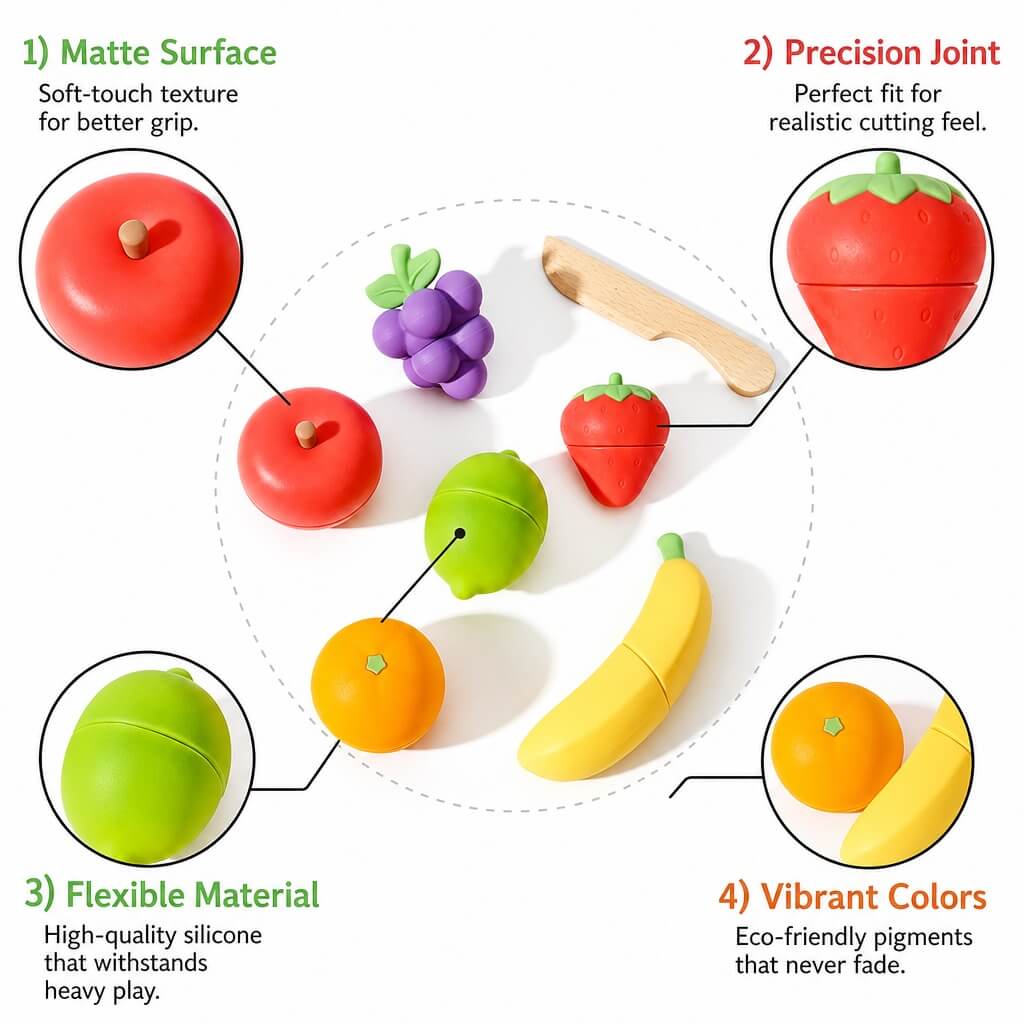
A successful pretend-food set needs to be recognizable at a glance. Fruit silhouettes, surface details, color combinations, and cut surfaces all contribute to that recognition.
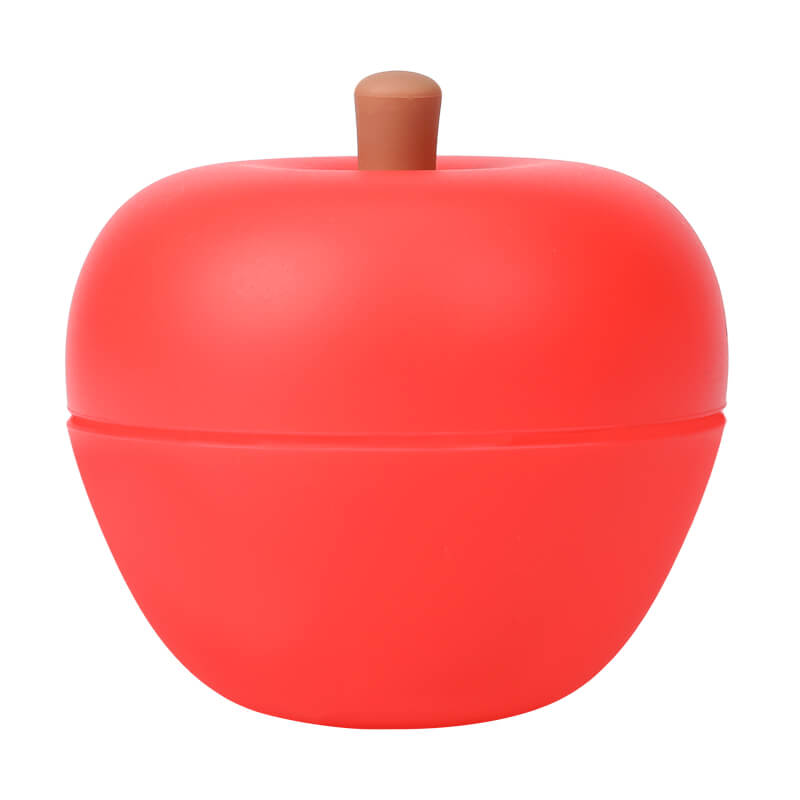
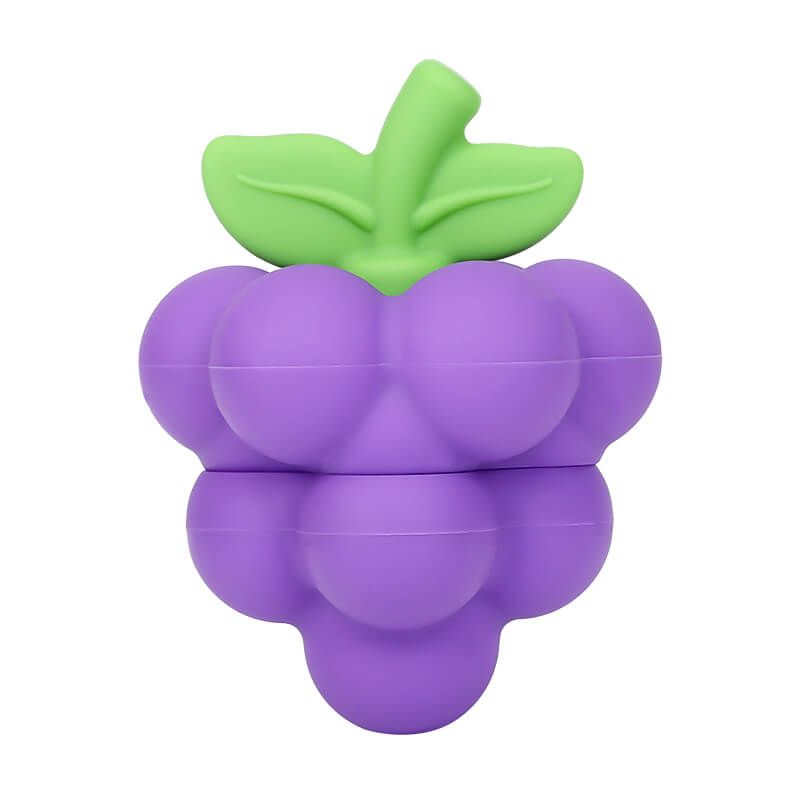
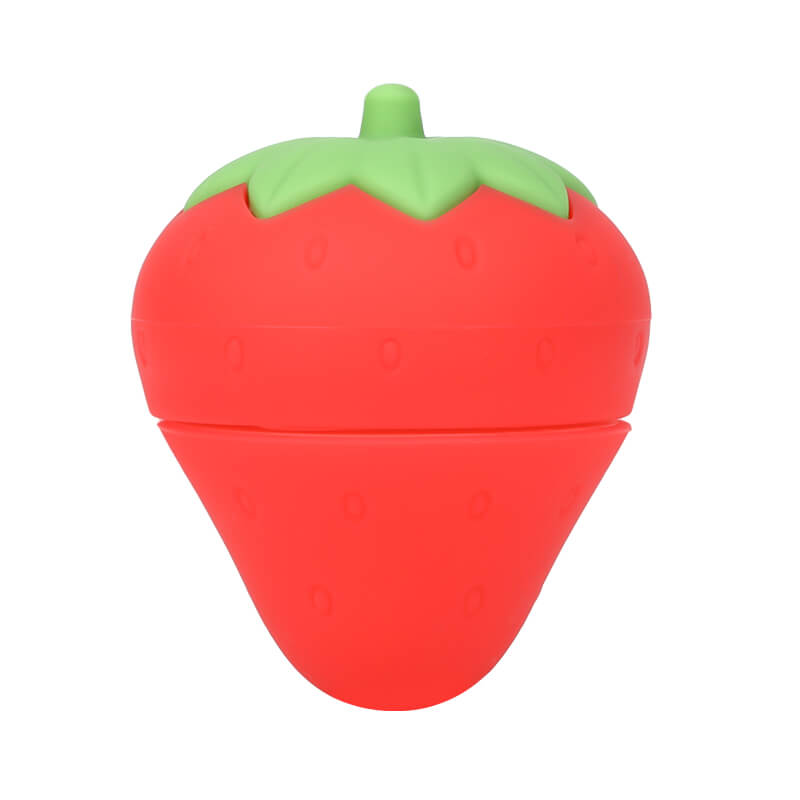
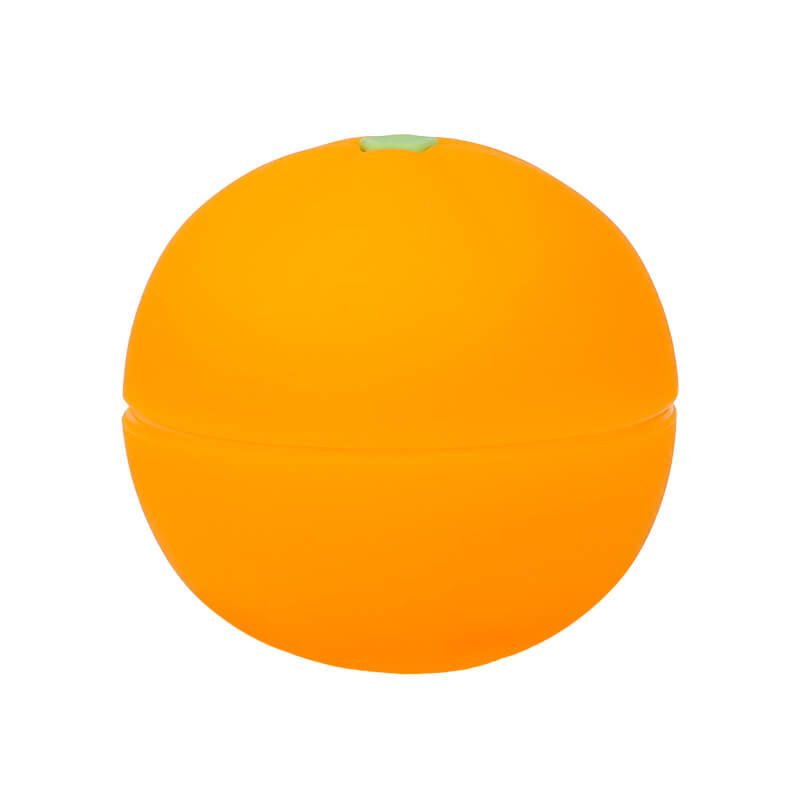
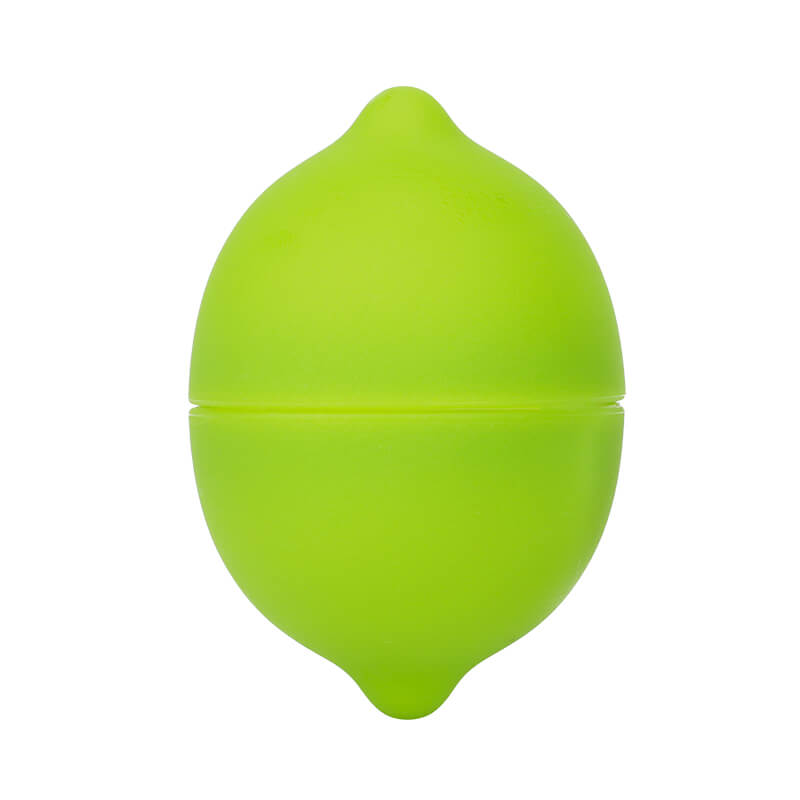
TOY31 includes six fruit designs: apple, lime, grape, orange, banana, and strawberry. Each fruit has its own silhouette and color identity, creating visual variety within a coordinated set.
The design also uses details on selected cut surfaces to reinforce the fruit concept. The apple, strawberry, orange, banana, and lime have specified printed cross-section details, while the grape does not require the same printed treatment.
This difference matters from a design-to-production perspective. A realistic fruit appearance is not achieved through color alone. Each item may require a different combination of molded geometry, color specification, and surface graphics.
For example, a citrus cross-section needs to communicate the fruit interior, while a strawberry relies more on its recognizable outer shape and surface details. The grape cluster has a different visual structure and does not need the same cut-surface graphics as the other fruits.
For manufacturers, these differences introduce several control points: print placement, color matching, alignment between printed details and molded parts, and consistency across repeated production runs. For brand owners, they create opportunities to develop a coordinated assortment rather than a collection of generic shapes.
From Fruit Recognition to Hands-On Pretend Play
|
|
|
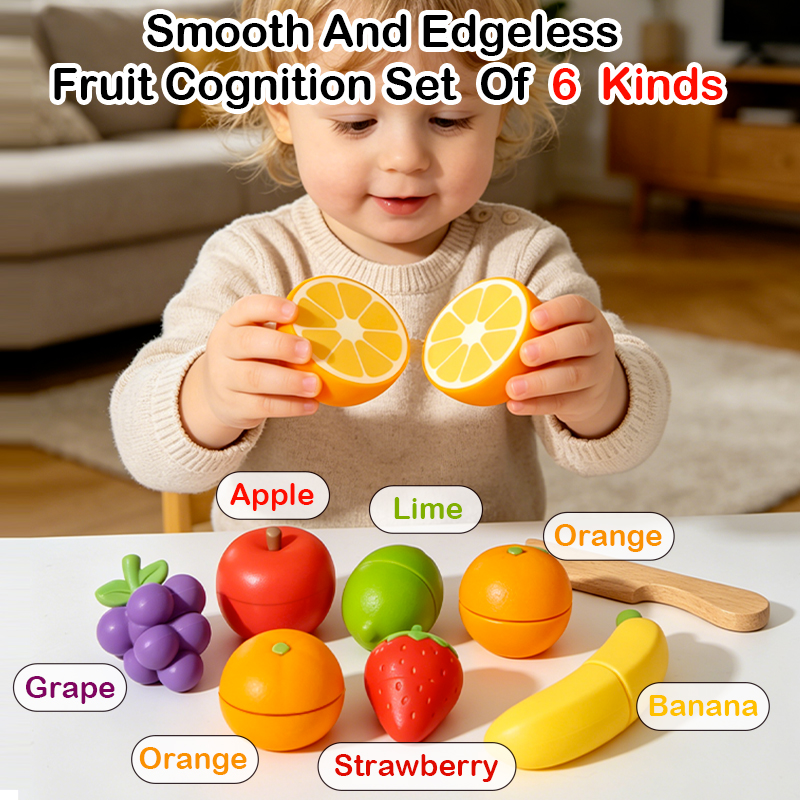
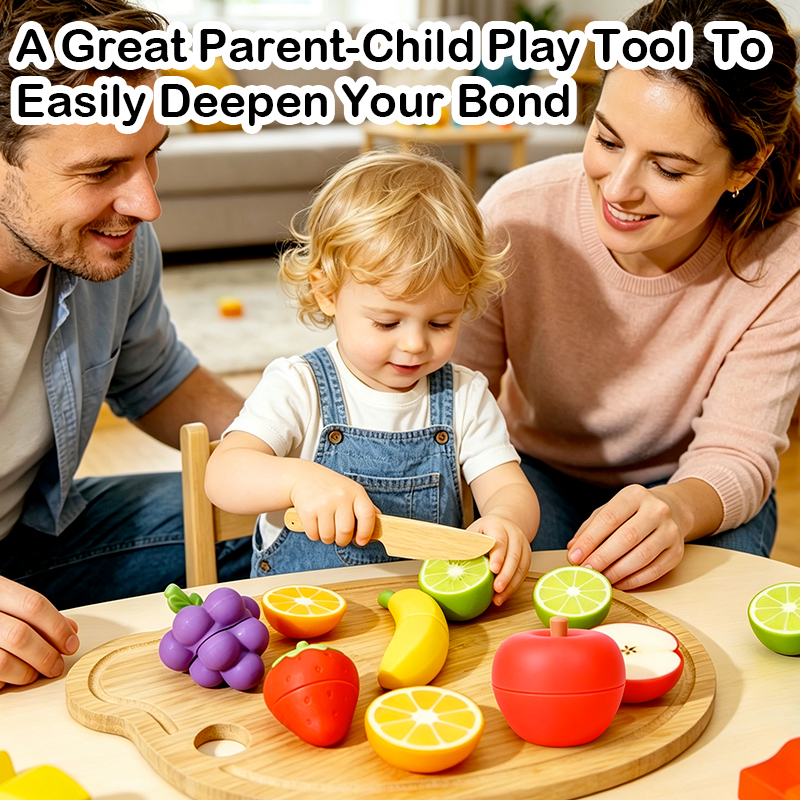
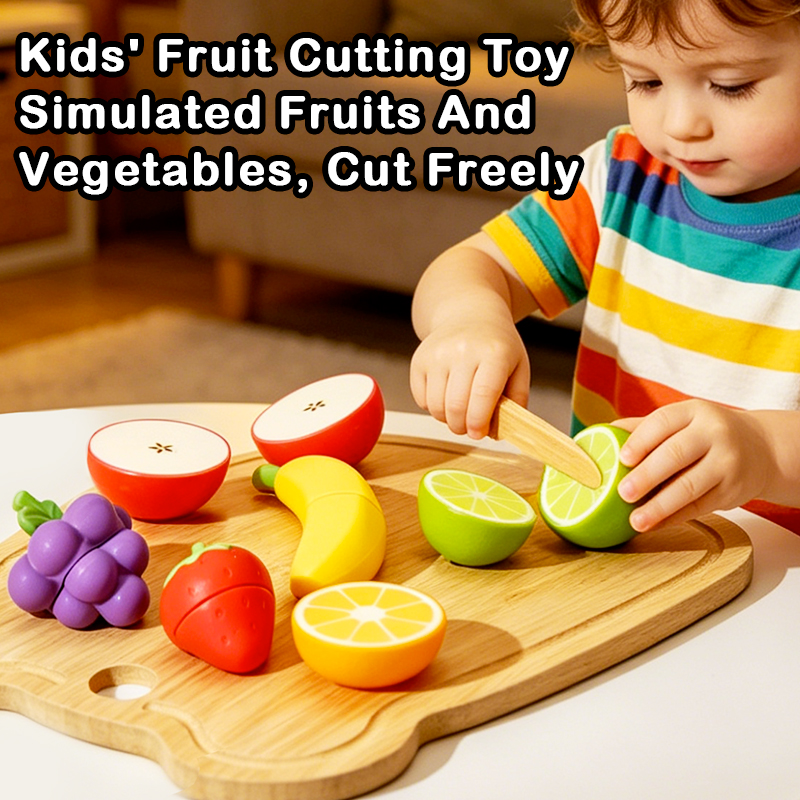
The play value of a cutting toy comes from the actions it invites children to repeat. With TOY31, the same fruit can be held, separated, matched, reconnected, and incorporated into pretend kitchen or market activities.
These activities create several opportunities for product positioning.
Fruit recognition can be introduced by asking children to identify the apple, banana, orange, or strawberry. Matching activities can focus on finding the corresponding halves and reconnecting them. Repeated grasping and manipulation provide opportunities to practice fine motor movements and hand-eye coordination. Pretend kitchen play allows the fruit pieces to become part of a wider imaginative scenario.
These are intended play opportunities rather than claims that the toy produces a guaranteed developmental outcome. The value for brands is that the product supports more than one simple interaction, giving retailers and customers several ways to understand its use.
This also influences content strategy. Rather than showing only a static set of colorful fruits, product photography and video can demonstrate the full interaction: pick up a fruit, cut it apart, reveal the cross-section, match the halves, reconnect them, and place the fruit into a pretend kitchen scene.
For B2B marketing, demonstrating the mechanism is often more persuasive than relying on a general claim that a toy is educational.
Build a More Complete Collection with Matching Vegetable Cutting Toys
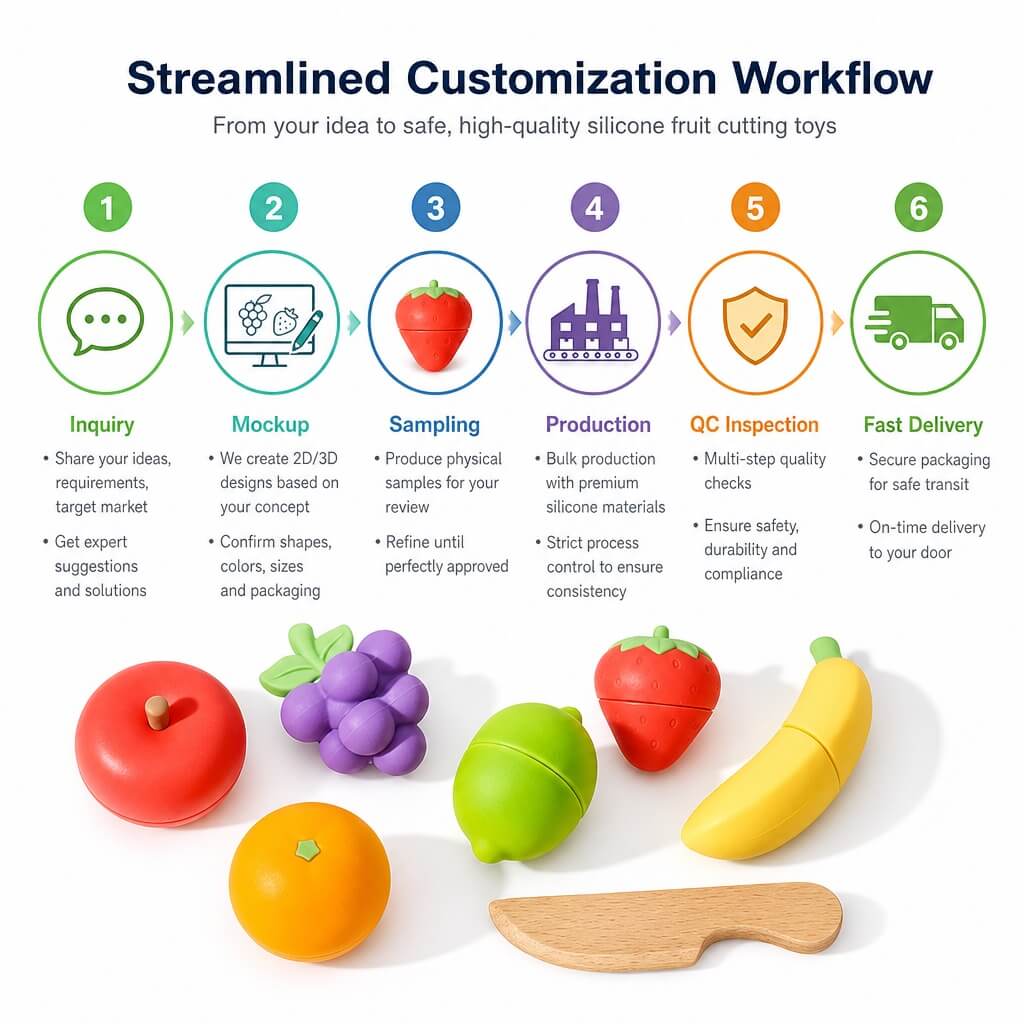
For brands expanding a pretend-play assortment, fruit cutting toys do not need to remain a standalone product. A matching vegetable cutting set offers a natural opportunity to extend the same play concept into another category of familiar foods.
The fruit and vegetable concepts can be positioned as complementary parts of a pretend kitchen collection. The fruit set introduces recognizable fruits and their cross-sections; the vegetable set can broaden the overall assortment around food preparation and imaginative cooking.
This collection approach offers several potential advantages for brand owners and sourcing teams.
A more coherent product range. Matching visual styles and coordinated product presentation can help fruit and vegetable sets look like parts of the same collection.
More merchandising options. The products can be presented separately or considered together as a broader pretend-food assortment, depending on the brand's retail strategy and packaging plan.
A wider content story. Marketing content can cover fruit recognition, vegetable identification, pretend shopping, kitchen role-play, and food preparation scenarios across multiple products.
More opportunities for customization. Brands can evaluate coordinated colors, logo placement, packaging design, and product presentation across the collection rather than treating each SKU as an unrelated item.
For procurement teams, it is important to confirm the actual specifications of each product independently. Material, connection structure, accessory configuration, age grading, cleaning instructions, and applicable testing should be verified for the vegetable set rather than assumed to be identical to TOY31.
The strategic idea is to build a consistent product family while allowing each SKU to retain its own distinctive shapes, colors, and play functions.
What B2B Buyers Should Evaluate Before Mass Production
A differentiated concept only creates commercial value when it can be manufactured consistently and supported by appropriate product documentation. Before placing a bulk order, buyers should evaluate both the finished sample and the manufacturer's development process.
For a silicone magnetic fruit cutting toy, the evaluation should include the quality of the silicone surface, the accuracy of the fruit shapes, the appearance of the printed cross-sections, and the ease with which the pieces separate and reconnect. Buyers should also review magnet retention and accessibility, foreseeable damage scenarios, and the testing required for the destination market.
Color control deserves particular attention when the set contains multiple fruit designs. Each color and graphic detail should be defined through approved samples or specifications so that the production result remains consistent with the brand's intended appearance.
Packaging should also be considered early. TOY31's current product information lists an OPP bag as the suggested standard packaging, while customized packaging can be discussed for wholesale and private-label projects. Retail-ready packaging decisions may affect product presentation, the way the set contents are communicated, and the overall merchandising strategy.
For OEM/ODM projects, the most useful supplier discussions cover the product configuration, color references, graphics, logo and packaging requirements, quality-control checkpoints, production planning, and applicable compliance documentation. These details should be agreed upon before mass production rather than handled as last-minute adjustments.
Product Information and Customization
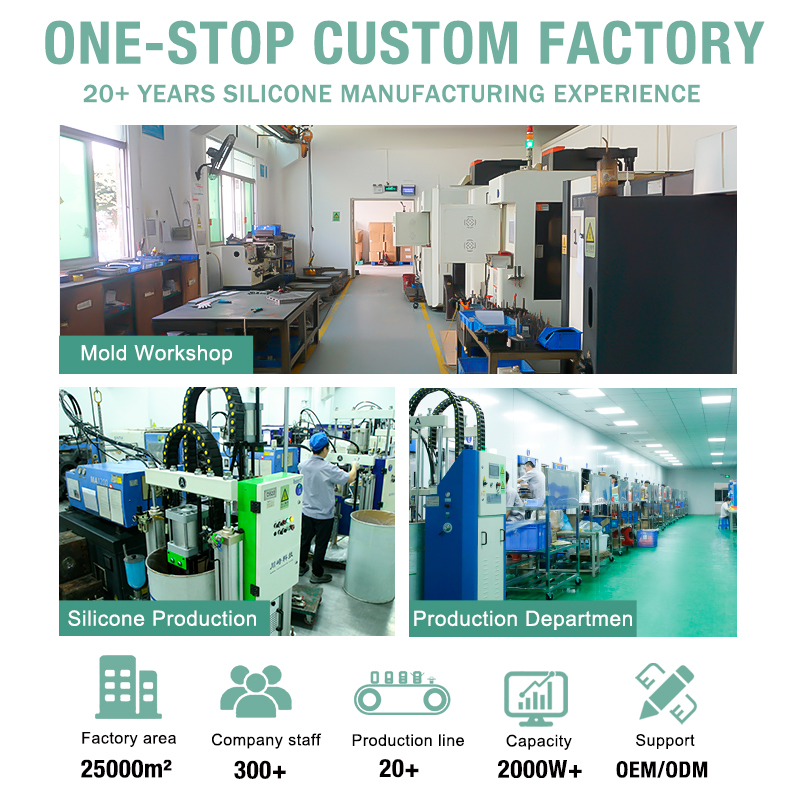
KEAN's TOY31 Silicone Fruit Cutting Toy Set includes six fruit pieces—apple, lime, grape, orange, banana, and strawberry—along with one wooden knife. The product information specifies food-grade silicone, a recommended age of 3+, and a material temperature range of -40°C to 200°C.
The product's design differentiation comes from the combination of silicone construction, internal magnetic connection, realistic fruit forms, and multiple fruit colors. The product specification also identifies Pantone-based color references for the fruit components, supporting a more structured color-development process.
For B2B customers, available development discussions can include custom color directions, product branding, and packaging requirements. Brands considering a matching vegetable cutting set can also discuss how the two products might be coordinated visually and commercially, subject to confirmation of the relevant product specifications.
Product page: KEAN Silicone Fruit Cutting Toy Set — TOY31
Conclusion: Differentiate Through Material, Mechanism, and Collection Design
In a familiar category such as fruit cutting toys, differentiation does not have to come from adding more pieces or changing the packaging alone. It can start with the way the product feels, the mechanism that connects its parts, and the details that make each fruit recognizable.
TOY31 combines soft silicone fruit, internal magnetic connections, six familiar fruit designs, and selected printed cross-sections to create an alternative to the conventional rigid-plastic and hook-and-loop format. The matching vegetable cutting toy concept creates a further opportunity for brands to expand the idea into a coordinated pretend-kitchen range.
For B2B buyers, the next step is to evaluate the actual product sample, verify the engineering and safety requirements, and define the color, branding, packaging, and quality expectations before production.
A well-developed product collection connects three things: a clear consumer-facing difference, a credible design and manufacturing process, and a repeatable product experience that the brand can build upon.


