


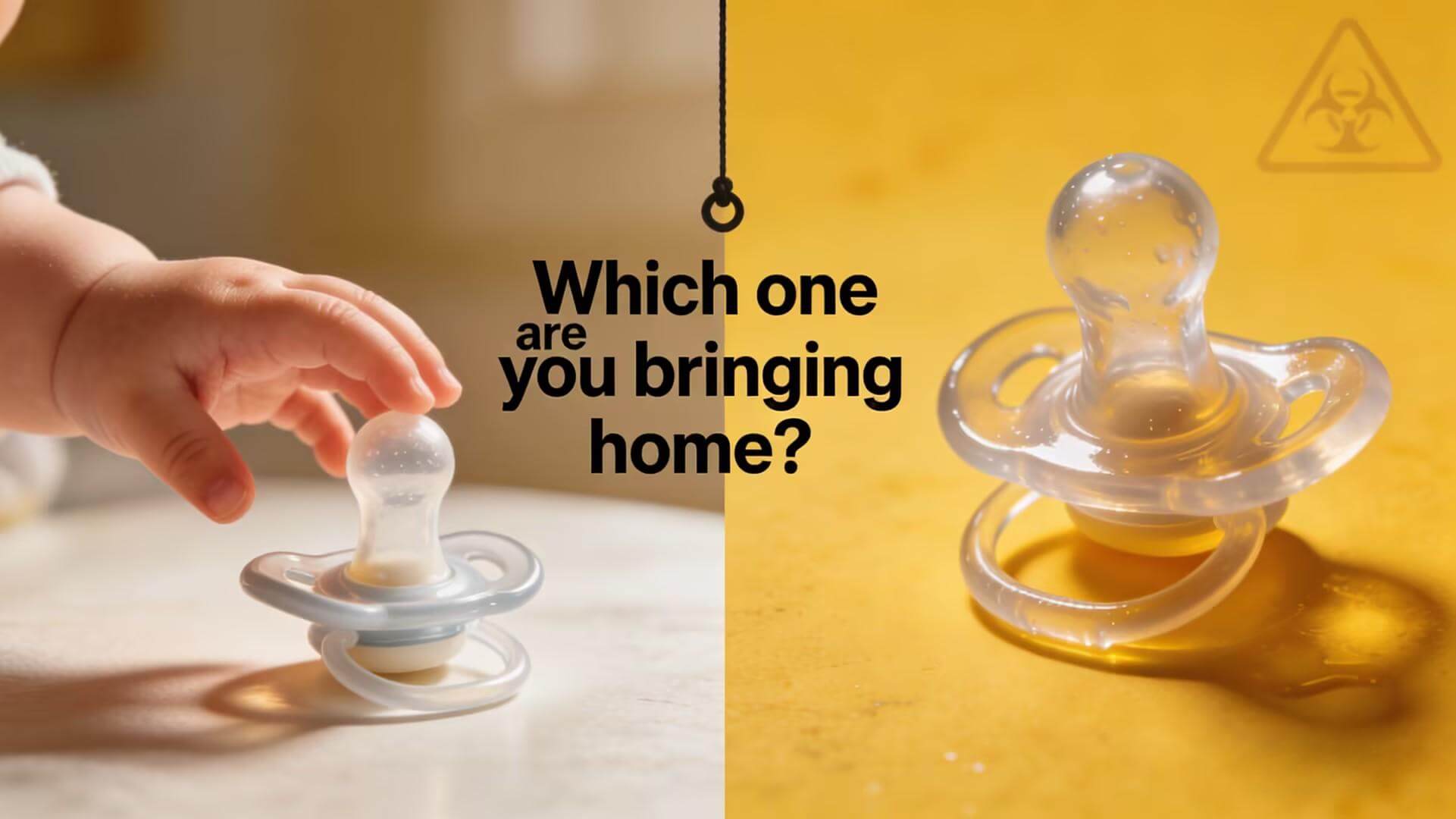
When you buy a silicone item, you expect it to be durable, flexible, and safe to come in contact with your food or skin. But is that always the case?
Not really. Silicone has a great reputation for being safe, but that only applies when it’s made from high-quality material.
So, how can you be sure that your baby’s pacifier, kitchen spatula, water bottle, or even your pet’s toy is truly safe? In this article, we’ll go over a few simple ways you can tell the difference between good and poor-quality silicone products—right at home.
6 Tips to Spot the Quality of Silicone Products
Here are some easy checks that help you tell real, high-quality silicone from cheap knock-offs. If your product passes most of them, it’s probably safe for you and your family.
1. Visual Inspection
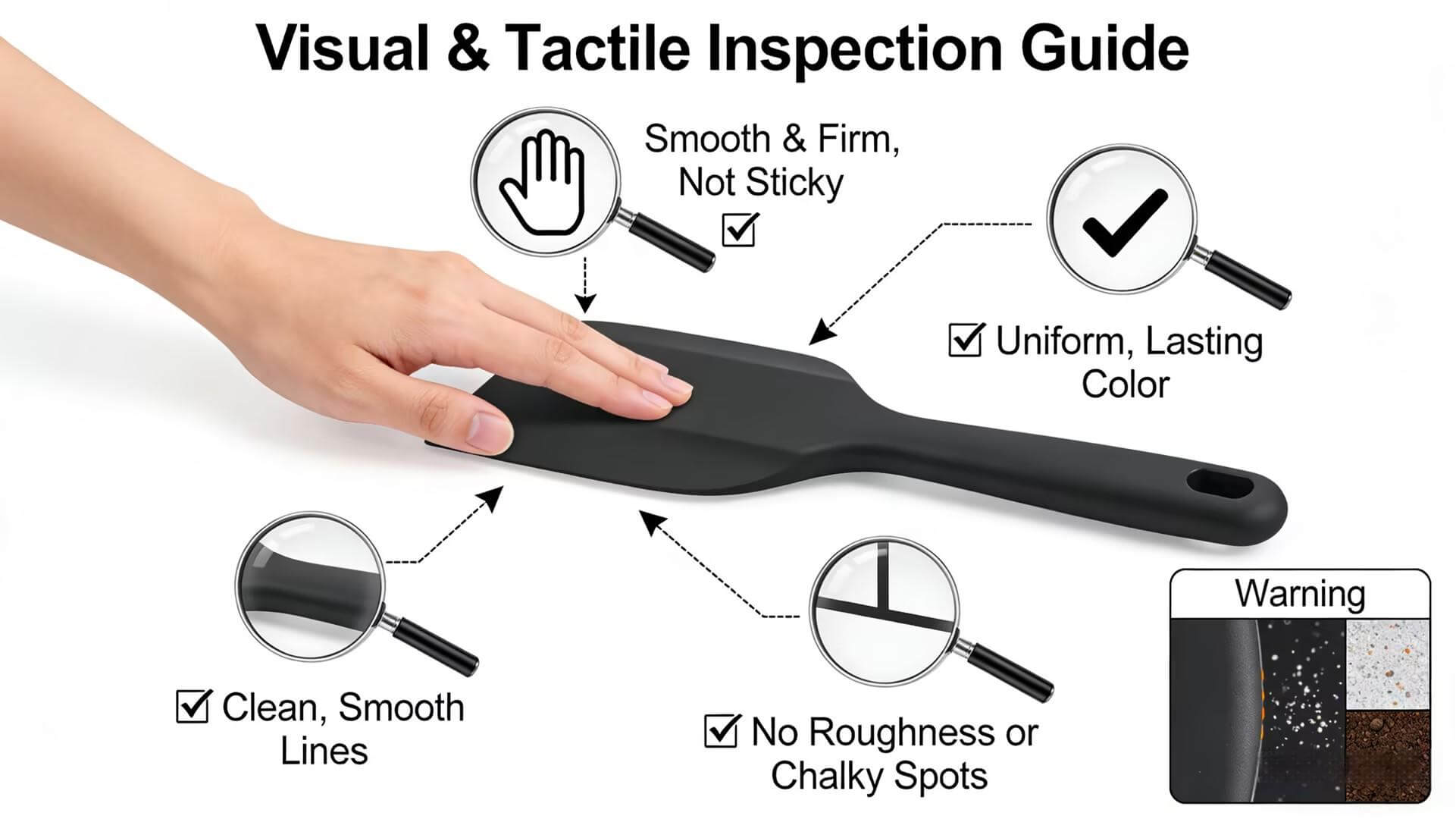
Good silicone has a certain look and feel that cheap material just can’t imitate. Most quality items have a soft, matte, or slightly matte surface, though some glossy ones exist too.
Premium silicone maintains a uniform, lasting finish, while inferior types darken or turn black within weeks due to unstable base materials or uneven fillers.
Run your finger over the surface. It should feel soft yet firm, with no sticky or greasy residue. The material should feel dense, not flimsy.
Well-made silicone products have clean, smooth mold lines. If you notice uneven color, chalky white spots, or rough edges, these are warning signs of poor manufacturing quality, which often goes hand in hand with lower-grade raw material.
2. Smell Test
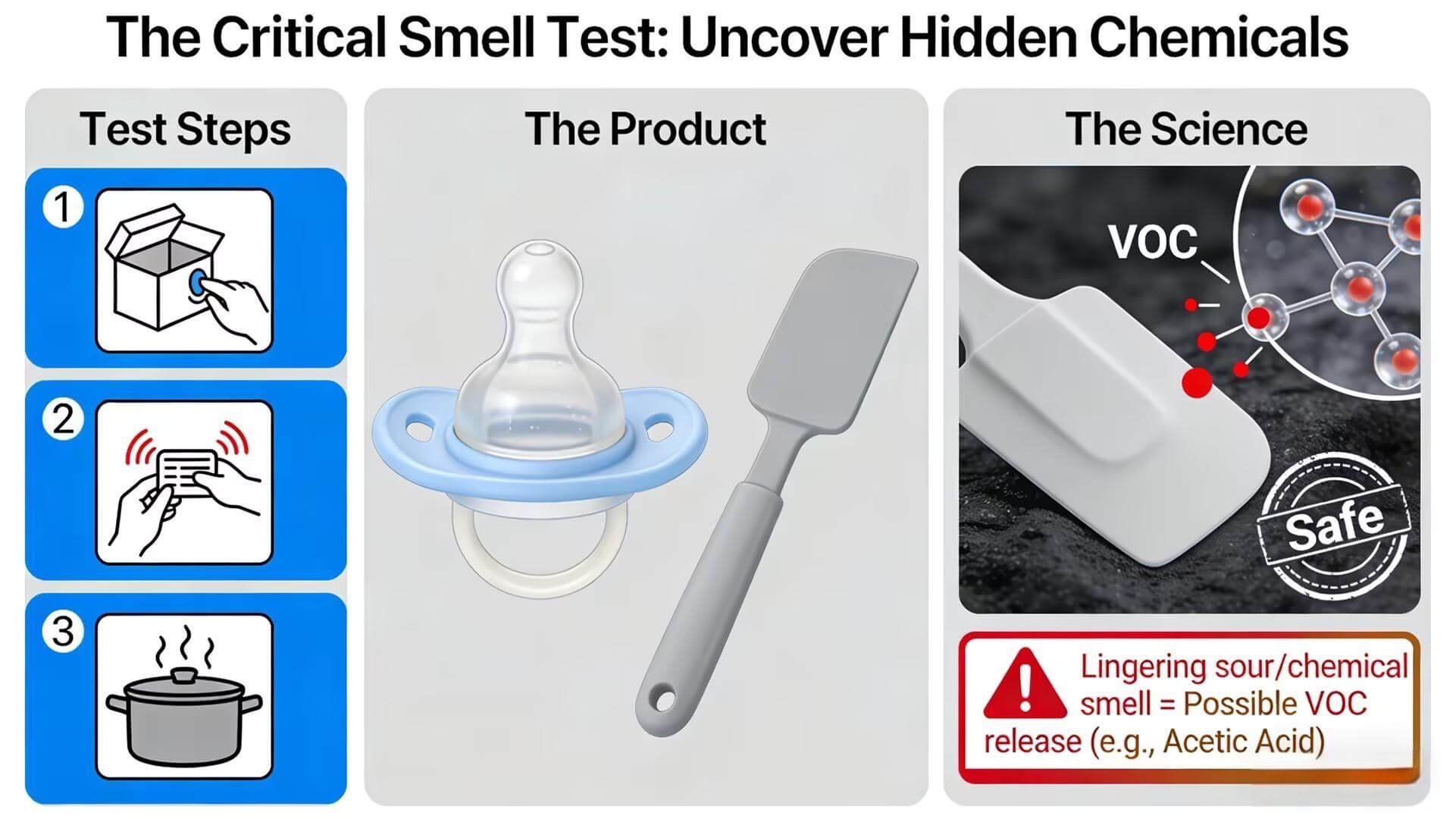
True food-grade silicone hardly smells at all. The strongest odor, if any, appears right after you unwrap the product, but it should also fade within hours.
Try pinching or twisting the silicone slightly to warm it up, then smell it again.
For extra certainty, place the item in boiling water for a few minutes, then check again.
If a strong or sour smell lingers, it likely means the silicone contains leftover chemicals—like acetic acid or unreacted curing agents—that can release VOCs (volatile organic compounds). These can be harmful to humans and pets when exposed long-term. This is why the smell test is very critical in products such as kitchen utensils, pacifiers, or baby bottle nipples.
3. Flexibility and Stretch Test
Silicone’s flexibility depends on the molecular weight and purity of its base polymer, as well as bond strength. Which means it reveals a lot about material quality.
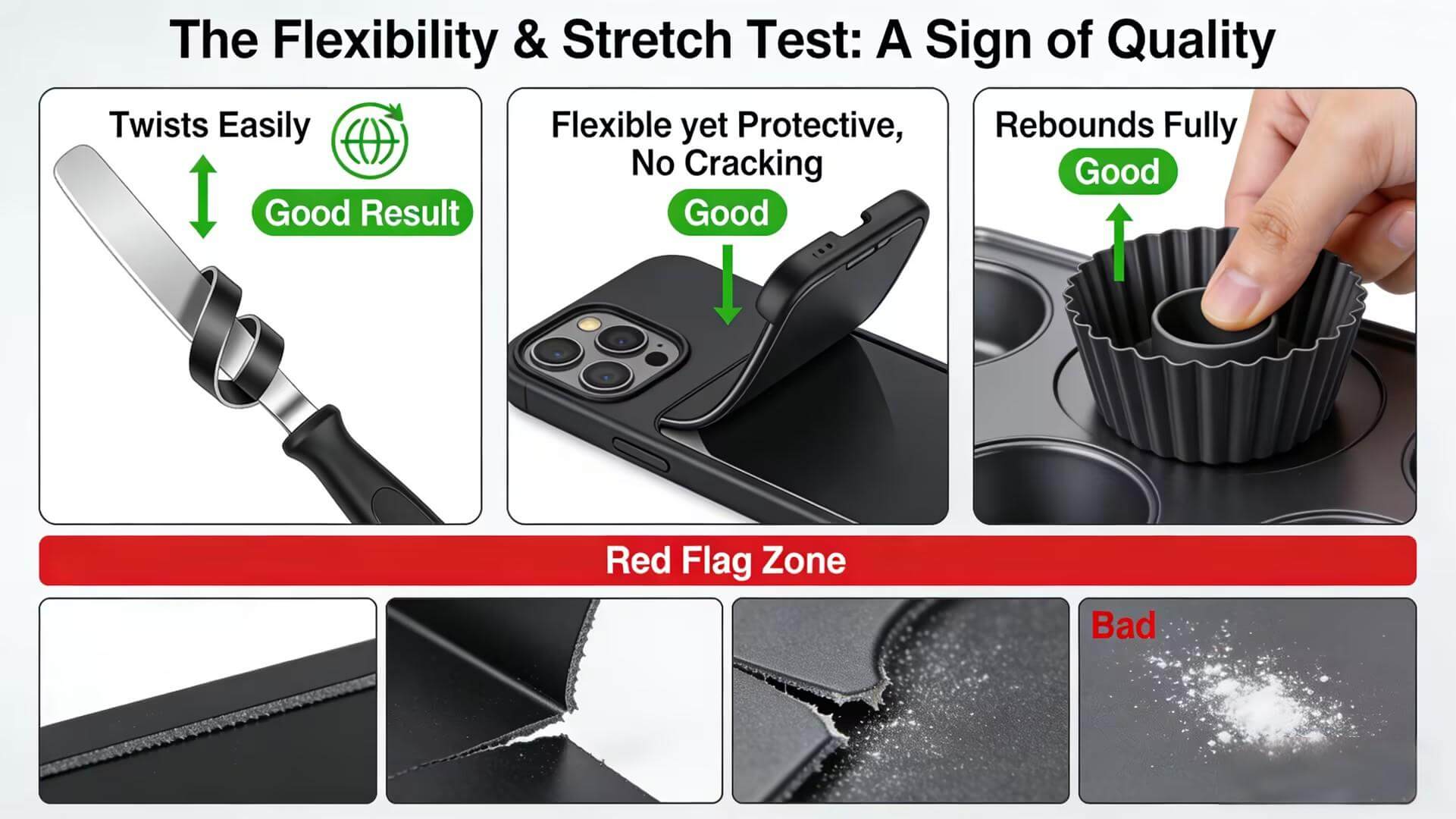
When twisted or stretched, premium silicone feels supple yet resistant. Then, it springs back to its original shape immediately and completely, with no permanent deformation, wrinkles, or a "memory" of the stretch.
However, remember that the “extent” of flexibility varies depending on the product type. Not all silicone items are meant to behave the same way:
A Spatula: It should twist easily but feel like it wants to return to its flat position. After release, it must be perfectly straight again.
A Phone Case: A good case will be flexible enough to snap on and off your phone, but rigid enough to feel protective. It should not feel brittle or crack under pressure.
A Baking Mold: Press your thumb into a cup or section. The material should give slightly but rebound perfectly, leaving no dent. This ensures your muffins and cupcakes release cleanly with a uniform shape.
The red flag is when the material stays folded, shows a white, chalky residue (a sign of loose grinding, lax filtration), or tears easily. This means it is made from a low-grade compound that will degrade quickly.
4. Heat Resistance Verification
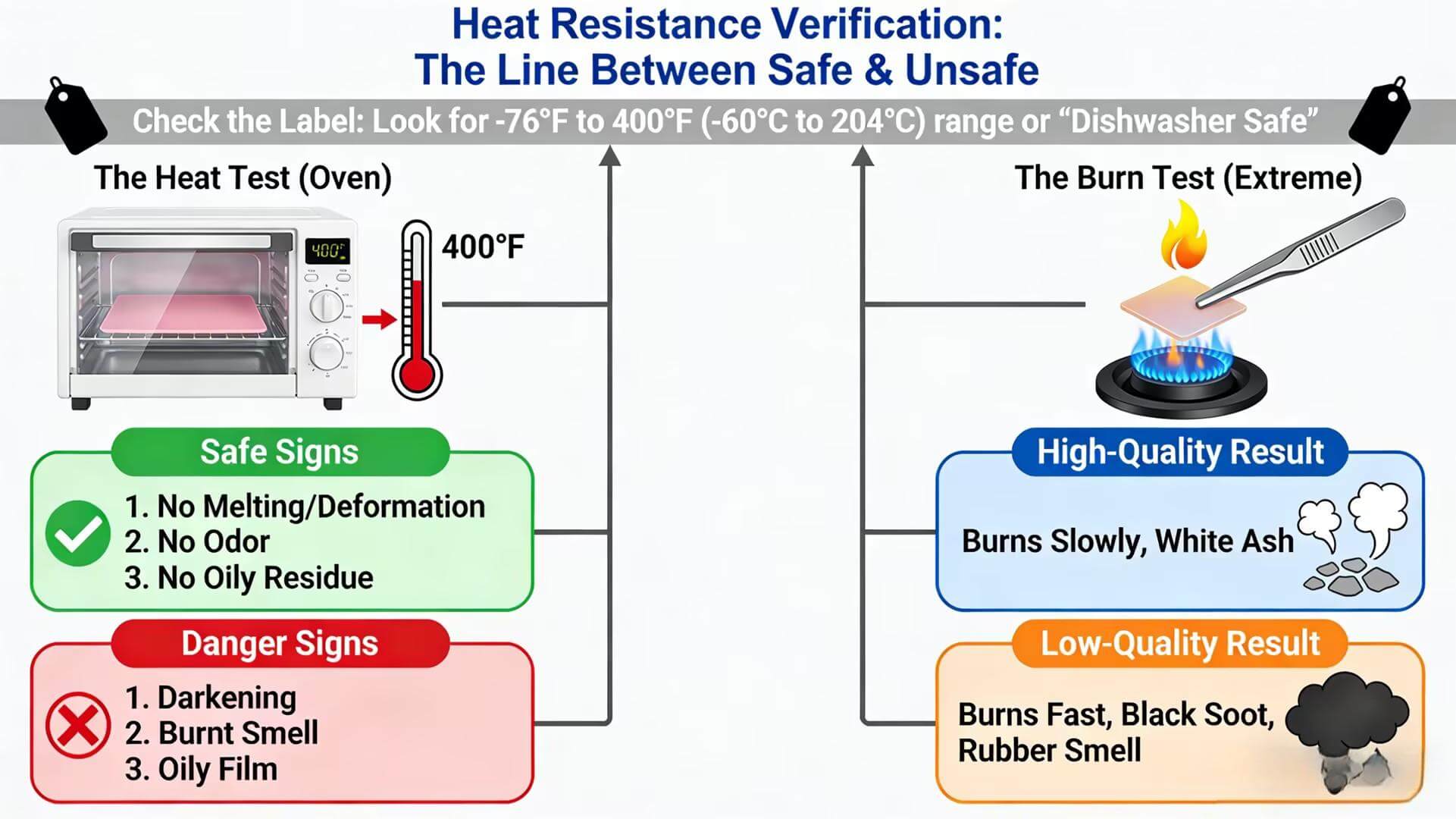
One of silicone’s biggest advantages is its ability to tolerate repeated temperature exposure, which also means, to gauge true capability, you’ll have to use it over a long time. However, there are a few key methods to verify product claims.
Heat Test: First, look at the product’s label or description. Most genuine silicone products list a safe temperature range—usually from around -76°F up to 400°F. If you don’t see that mentioned, but it says “dishwasher safe,” that’s a good sign it can handle wash cycles up to about 158–176°F. Some high-end, medical- or industrial-grade silicones can even take heat up to 572°F (300°C).
To test it yourself, try using it in the conditions it claims to handle. For example, if it’s a baking mat or a spatula, put it in a preheated oven within its stated range.
Authentic, food-grade silicone should endure temperatures from about +400°F without melting, deforming, or releasing odors.
If it darkens, gives off a burnt smell, or leaves an oily residue after heating, your product likely has unwanted fillers or synthetic rubber, which makes it unsafe for food use.
Burn Test: For a more definitive answer, you can even try burning it—if you can spare a small piece. Quality silicone burns slowly, with white smoke and a fine, grayish powder left behind. It won’t drip or spark. Cheap silicone, however, burns fast, gives off black smoke, and smells like burning rubber or plastic.
5. Certification Label Identification
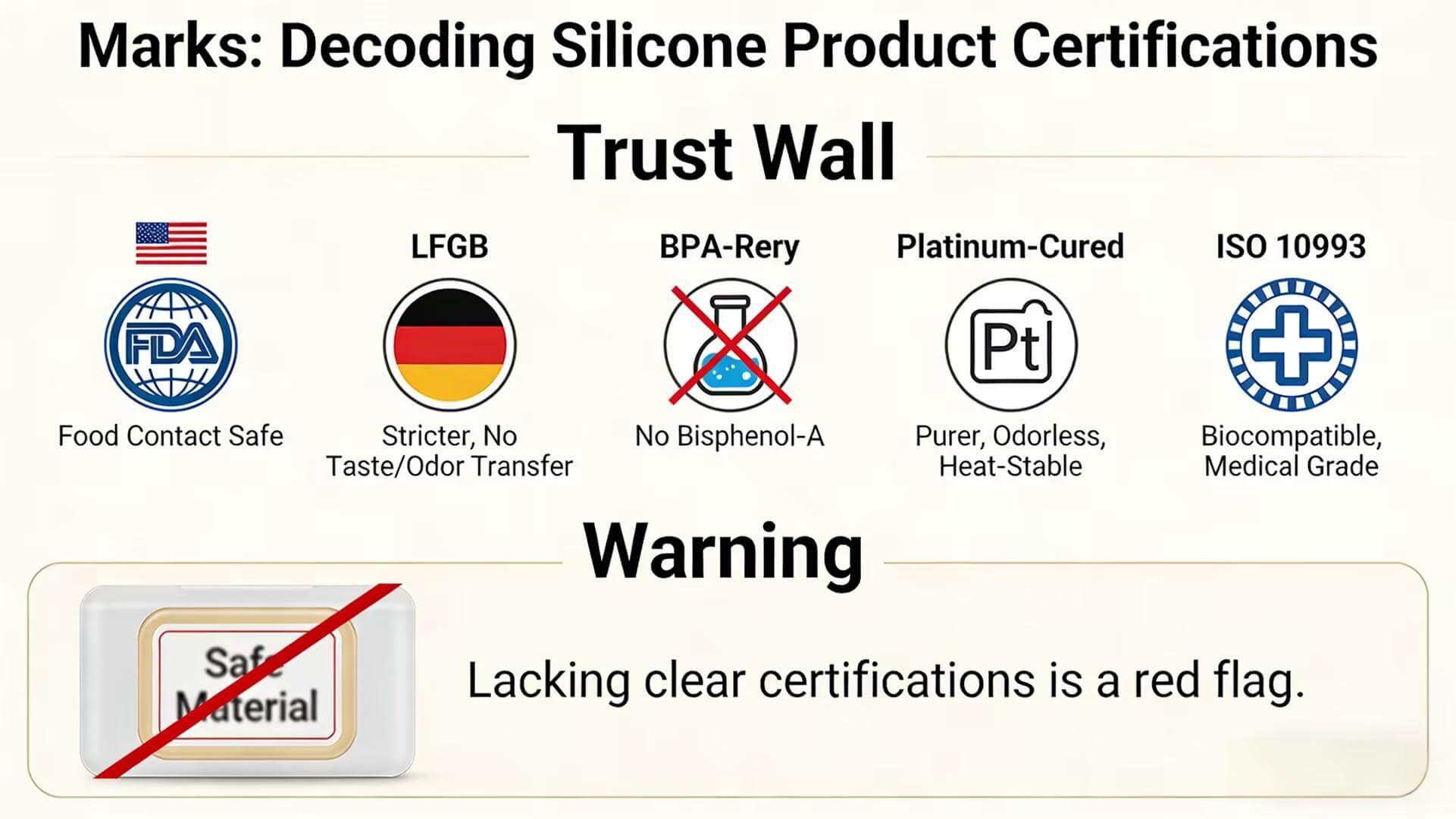
Trusted manufacturers back up their claims with clear certifications on packaging or product listings. Here are the key ones to look for:
FDA: Shows that the silicone meets U.S. safety standards for food contact and won’t leach harmful substances under normal use
LFGB (Germany’s Food and Commodities Law): This German certification is even stricter than the FDA’s and ensures no taste or odor transfers to food.
BPA-Free: While most silicone is inherently BPA-free, this label confirms the product contains no Bisphenol-A, a harmful chemical found in some plastics.
Platinum-Cured: Platinum-cured silicone is purer, more inert, odorless, and heat-stable compared to cheaper peroxide-cured alternatives.
ISO 10993: It indicates that the material meets rigorous biocompatibility tests needed for medical-grade silicone products like implants, catheters, etc.
Be cautious with the products that lack these certifications or that provide vague “safe material” claims only.
6. Price and Brand Reference
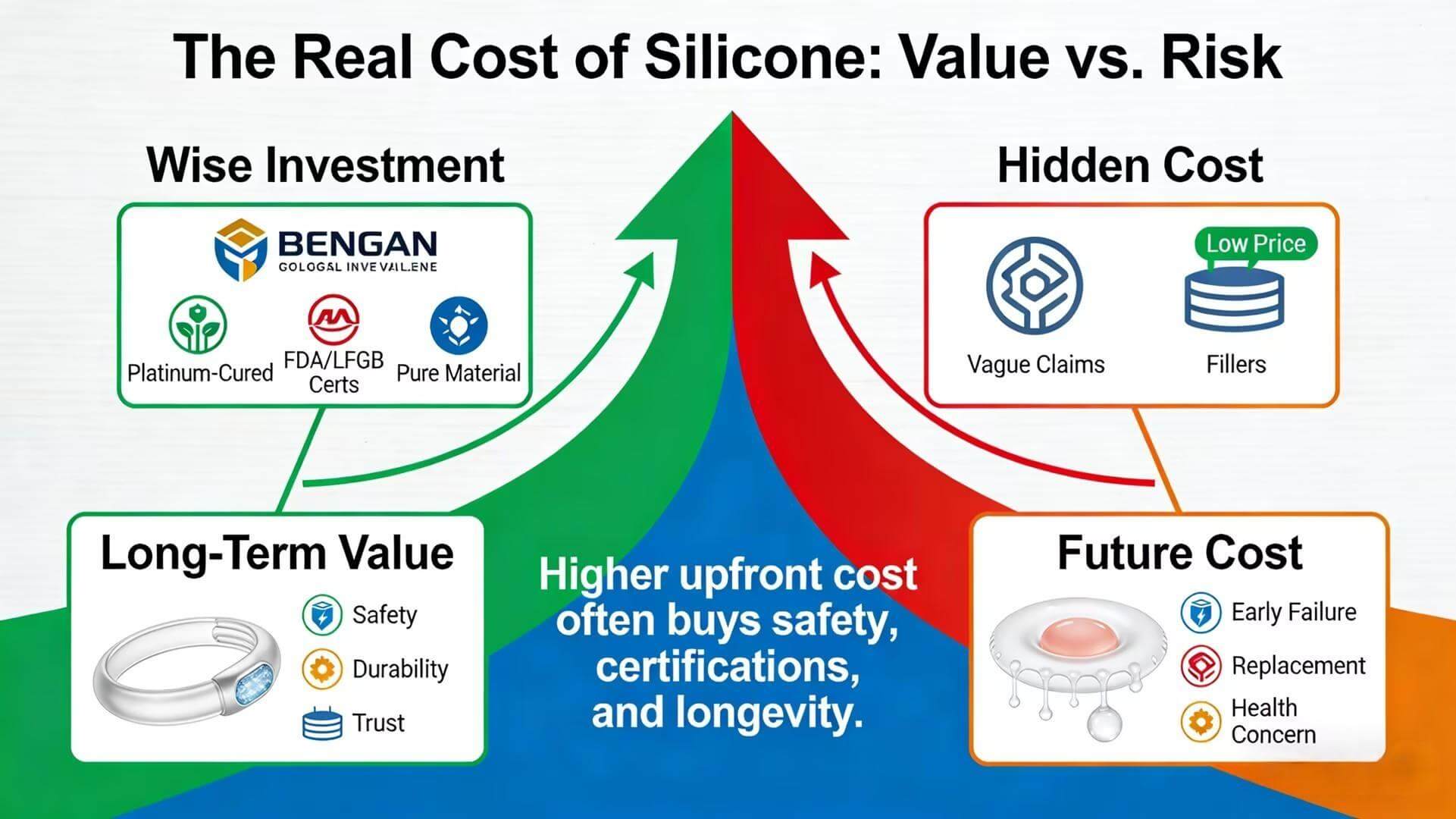
Pure silicone and safer manufacturing methods like platinum curing are expensive, and trusted brands spend extra to meet certification standards. That’s why a premium silicone product will usually cost more—but that extra money often means you’re getting something safer, longer-lasting, and better made.
If you browse listings on big retail sites, you’ll notice the difference between reputable and cheap products. Let’s look at a few samples here.
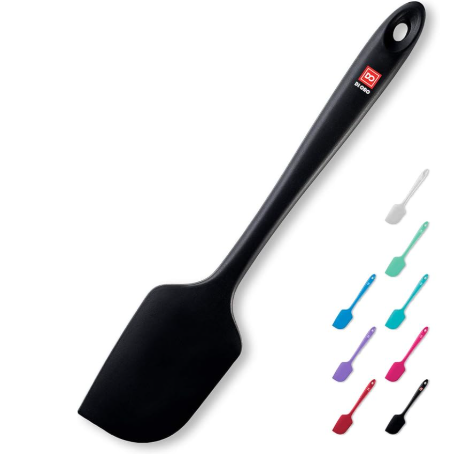
Product 1: Kitchen Spatulas
Thyme & Table Silicone Spatula $4.88 | DI ORO Silicone Spatula $13.97 |
|
|
The product description gives no safety claim except that it’s heat-resistant up to 428°F. There is no mention of any certifications. Customer reviews mention that it’s not very flexible, and one user shared that it has a "weird film" and even lost color after just one use, which definitely does not indicate quality. | The listing clearly states it is "BPA free," and "Dishwasher safe". They have also provided a temperature resistance range of up to 600°F. Plus, reviews reaffirm "no smell," "easy cleaning," and durability after months of use. |

Product 2: Collapsible Water Bottles
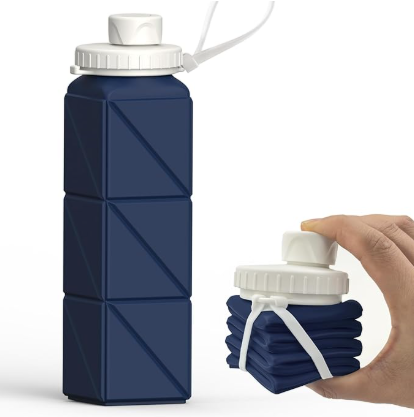
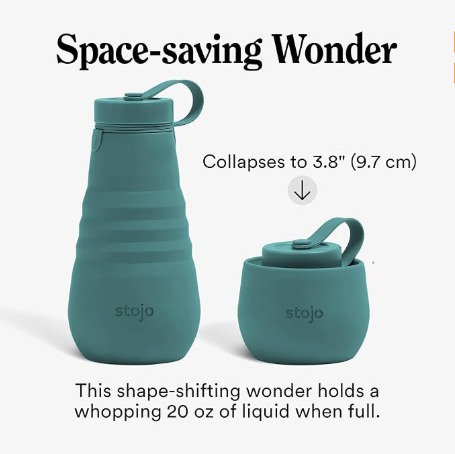
BEAUTAIL Collapsible Water Bottle $5.94 | STOJO Collapsible Sports Water Bottle $19.99 |
|
|
Though it is labeled food grade and BPA-Free, reviews frequently mention a "persistent rubbery smell" that survives multiple washes. There are also quite a few complaints about poor manufacturing and the bottles leaking water. | The description clearly specifies "microwave" and "Dishwasher Safe." The material feels sturdy, and reviews confirm it has zero plastic taste and is easy to clean with no stain retention. Many users shared that it still looks and performs like new after years of use. |
Product 3: Reusable Food Storage Bags
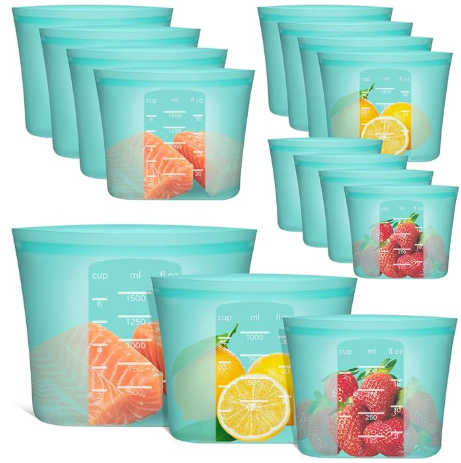
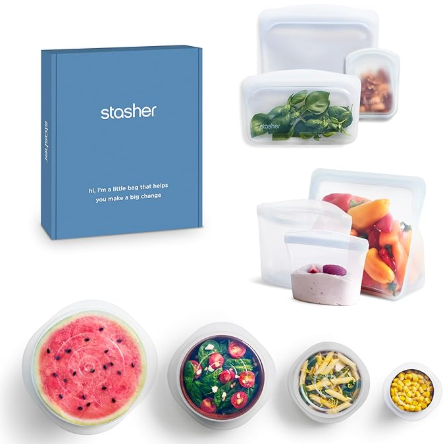
Annakiln Reusable Food Bags (12-Pack) $39.99 | Stasher Premium Silicone Reusable Bags (10-Pack) $82.11 |
|
|
Brand emphasizes being "BPA-Free" and "Dishwasher Safe." The reusability is good, but the shape is not great for storing liquids or microwaving an open pouch. Also, a few complaints of being prone to leak under mild pressure. | Features "Platinum Silicone" and is certified for not only freezer and microwave but also for stove tops (up to 425°F). Highly reusable and even come with expandable silicon lids. Reviews highlight that they are "truly odor-resistant," have a "secure, leak-proof seal," and "wash perfectly clean every time." |
Making an Informed Choice for Your Home and Family
Investing in a premium silicone product means you get material purity, structural integrity, and long-term value. But remember, safety and reliability don’t just come from the price tag. Always look at the brand’s reputation, certifications, and the overall build quality before deciding.
If you want to build your own silicone product brand, Kean Silicone is a professional manufacturer specializing in custom solutions, using only premium, certified materials. Let's partner to create products that stand up to every test—contact our team today to get started.


