


Silicone baby products like nipples, sippy cups, teethers, feeding sets, pacifiers, and bath toys have become everyday essentials for several families today. Their softness, durability, heat resistance, and safety as compared to other plastic materials are the most compelling factors for the parents.
However, despite these benefits, silicone products also have the tendency of developing mold depending upon the usage and maintenance. For example, a mold can be formed if a product remains unused for a long period of time or if it isn't maintained properly. For new parents, discovering mold inside a sipper’s nipple or
around the pacifiers may put them off.
This elaborate guide explains why silicone items become moldy, how it can impact your baby's health, how to get rid of mold, and how to stop it from forming in the first place.
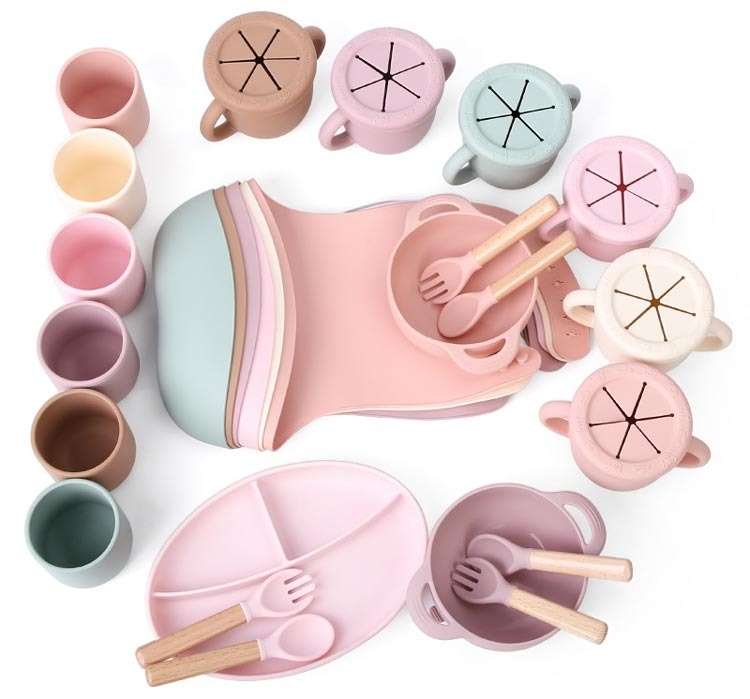
Why Mold Forms on Silicone Products
Although silicon baby products, when made with high quality, food-safe silicone, are naturally difficult for bacteria and fungus to thrive, mold can still form in some favourable conditions.
Most of the time it's not because of the silicone itself, instead, it forms around the trapped food particles and proteins from food. Moisture, and warmth can help it grow quickly. Here are some of the common reasons for mold building in baby silicone items.
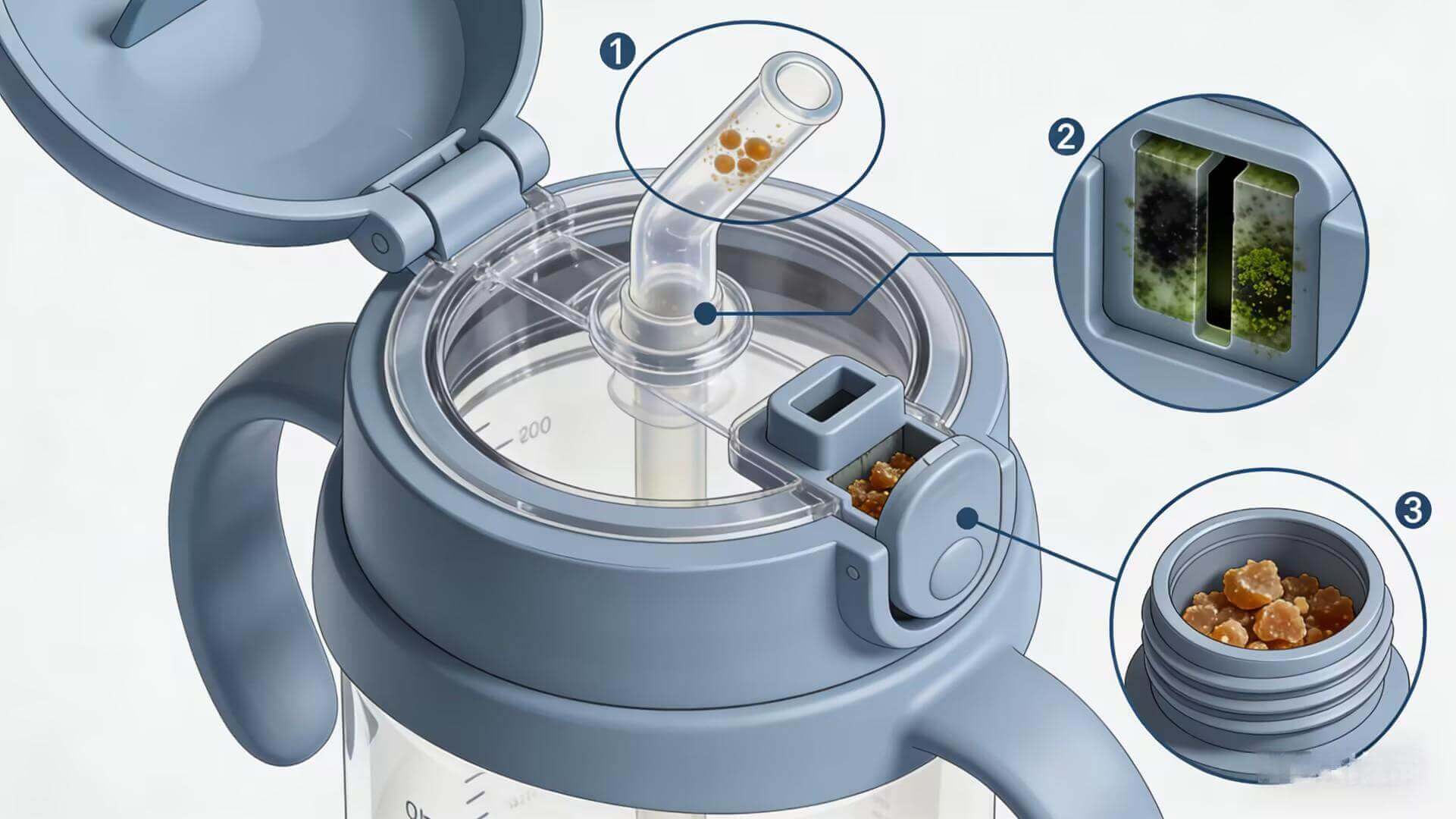
1. Complex Product Structures
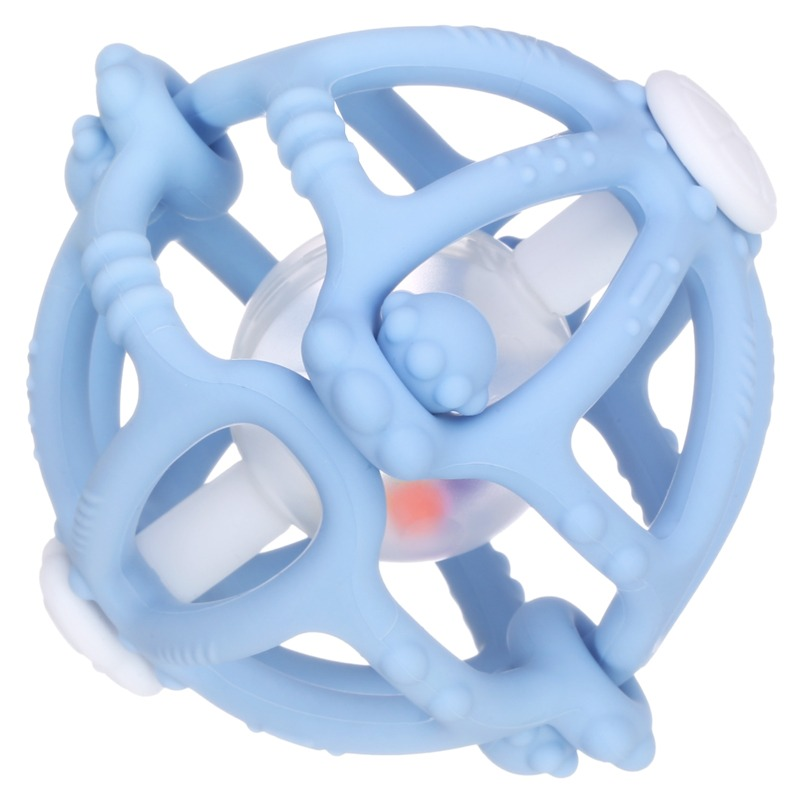
Many silicone baby items have built-in holes, grooves, tiny vents, or bendable joints. Feeding accessories and baby cups with multiple joints have the higher tendency of retaining molds, especially in areas which are not washed or cleaned properly and are left unseen by the parents for a longer period of time.
This is because these bends, vents, holes, and grooves are more likely to hold tiny residue from food. This leads to fungus and bacteria growth over time. Look out for the difficult to clean parts.
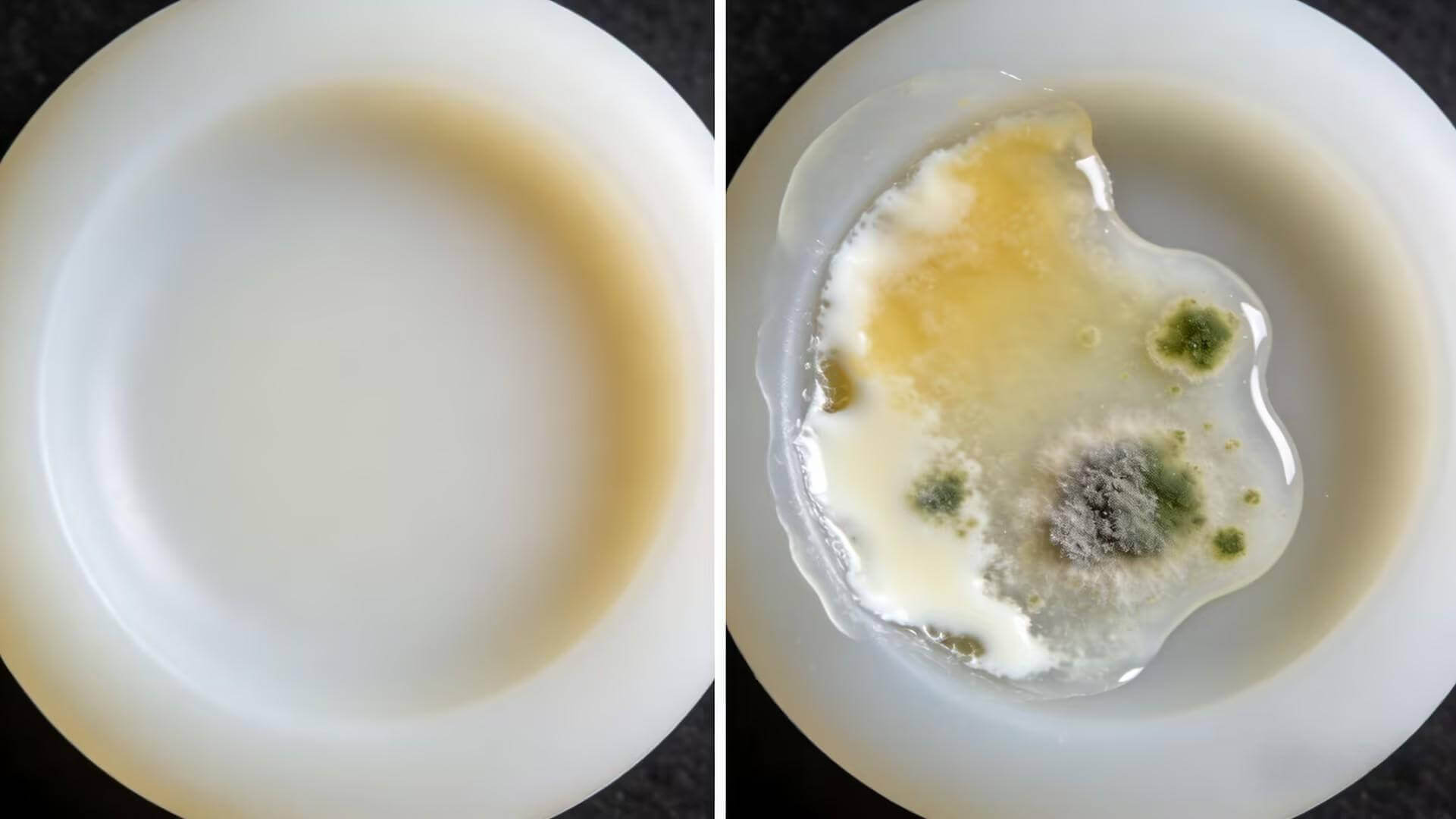
2. Residue-Building Surfaces
Silicone is non-permeable, but breastmilk and formula contain fats that stick to the surfaces. If not washed or fully removed the surface becomes ideal for helping fungus to grow. Once the mold settles, it can grow pretty quickly.
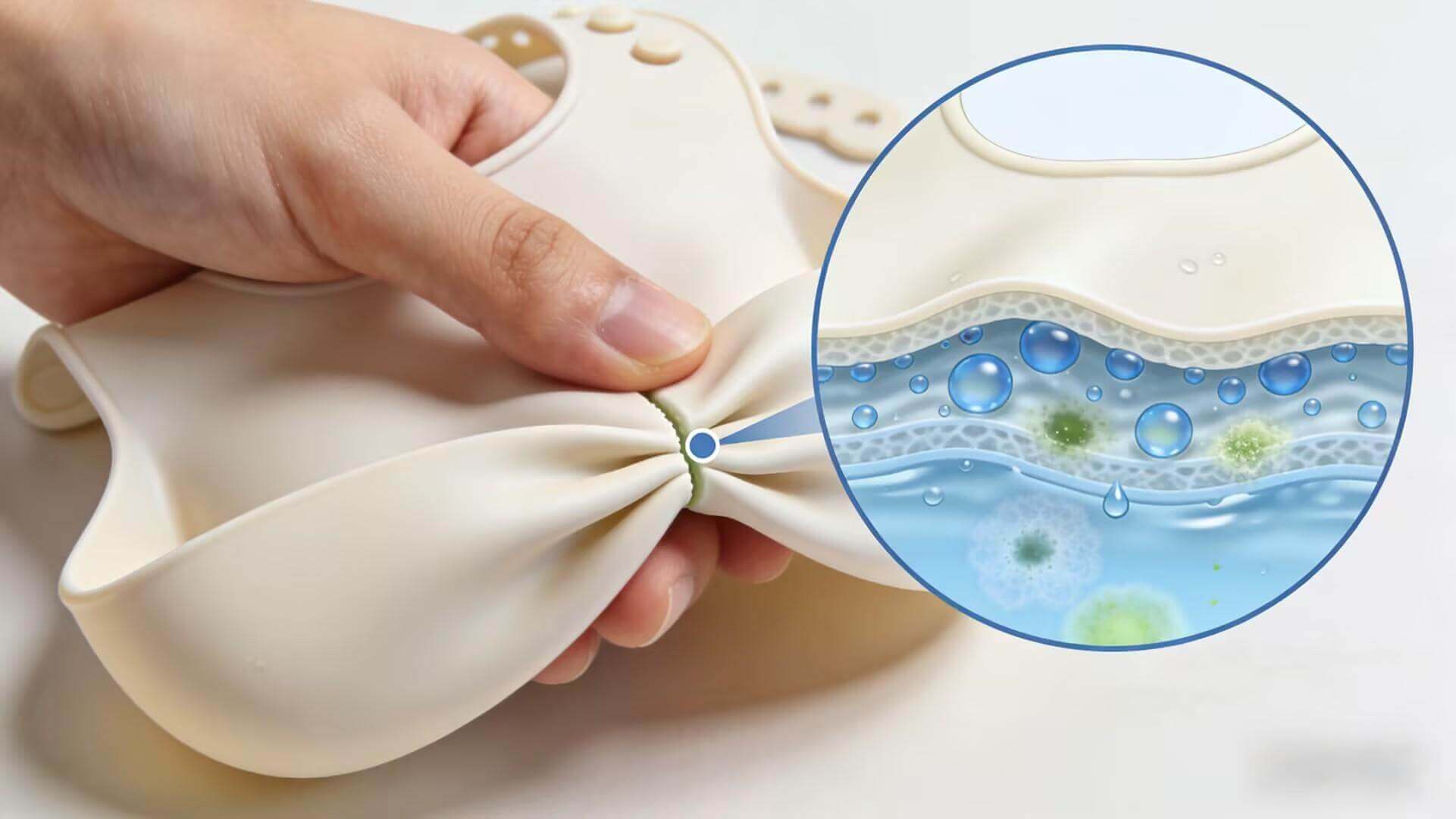
3. Material Flexibility
Soft silicone is slightly bendable or folds during use, grabbing microscopic droplets. These undetected wet spots slow the drying process. When some folded or bent parts remain wet for long, they can easily develop mold due to retained moisture.
Causes of Mold Growth
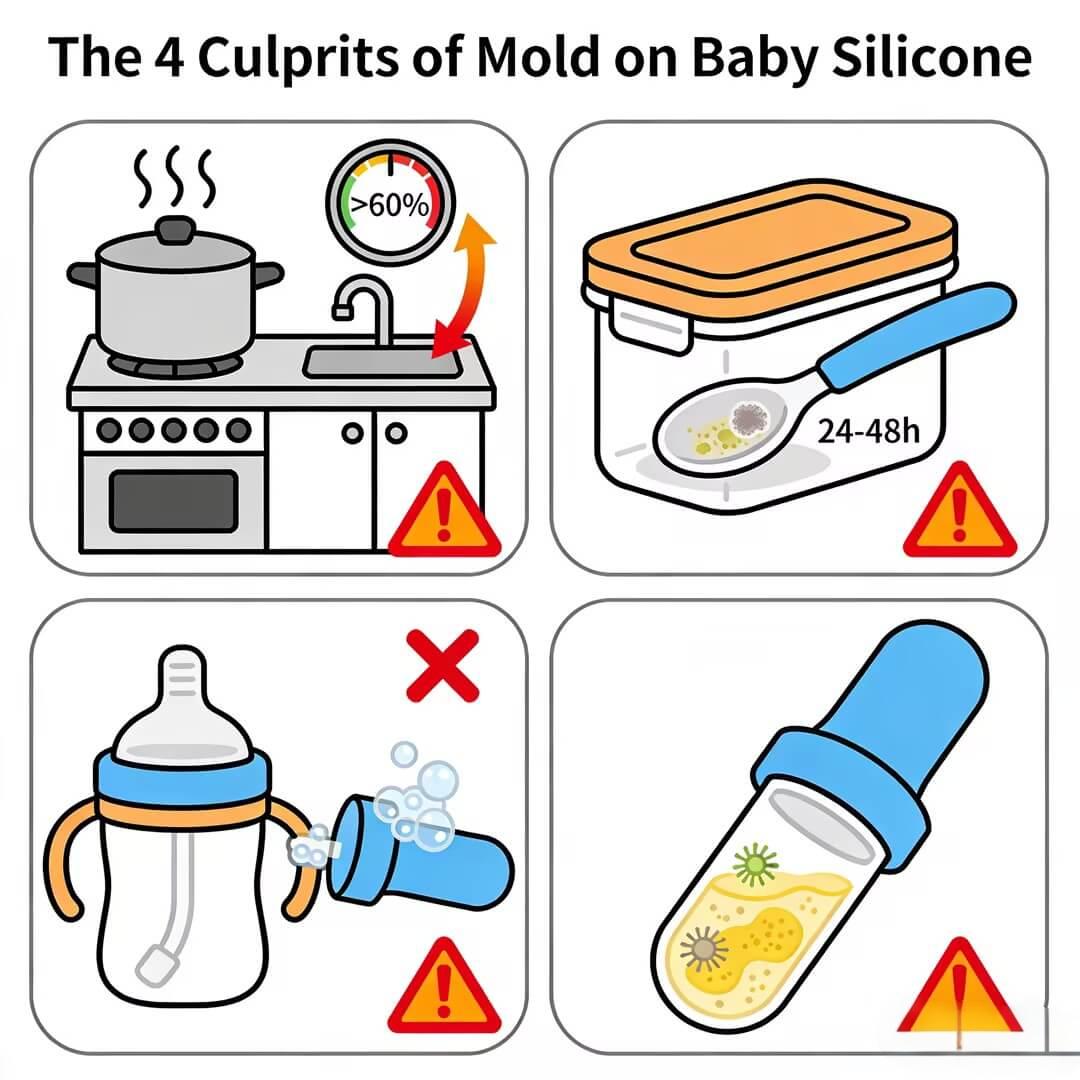
Other than material structure, environmental and behavioural factors can also be the reason for mold development. Let's explore some of the very common environment-related and behavioral factors that encourage mold formation on silicone baby products.
1. High Humidity in Kitchens
Those wet and warm environments where humidity is 60% or above are very suitable for mold growth. Our kitchens, where we wash and keep our babies’ utensils, are normally more humid due to cooking, continuous use of water, dishwashers, and steam.
With this consistently high humidity and warmer surroundings inside the kitchen, it isn't unlikely that the baby products develop bacteria and fungus on the surface.
2. Incomplete Drying
A common cause of mold development is storing damp silicon baby items in sealed containers or drawers.
When you don't dry the utensils thoroughly before storing them in closed spaces they will certainly grow mold over time. Mold spores begin to develop themselves in less than 24–48 hours around trapped moisture.
3. Improper Cleaning Habits
Expert cleaning guides lists down some of the reasons due to which mold often appears. These have to do a lot with cleaning habits. Below are some of the most common ones:
When the products are not disassembled fully
If soap residue is left behind
When the items are soaked for a long time without airflow
When hard-to-reach areas remain unseen and unwashed
4. Exposure to Organic Residue
Breastmilk, fruit purees, formula, and juices have excessive amount of sugars and fats. Mold spreads faster when even small traces of this organic material remains in spouts, straws, teethers, and other narrow or complex items.
Negative Effects of Mold on Infants & Parents
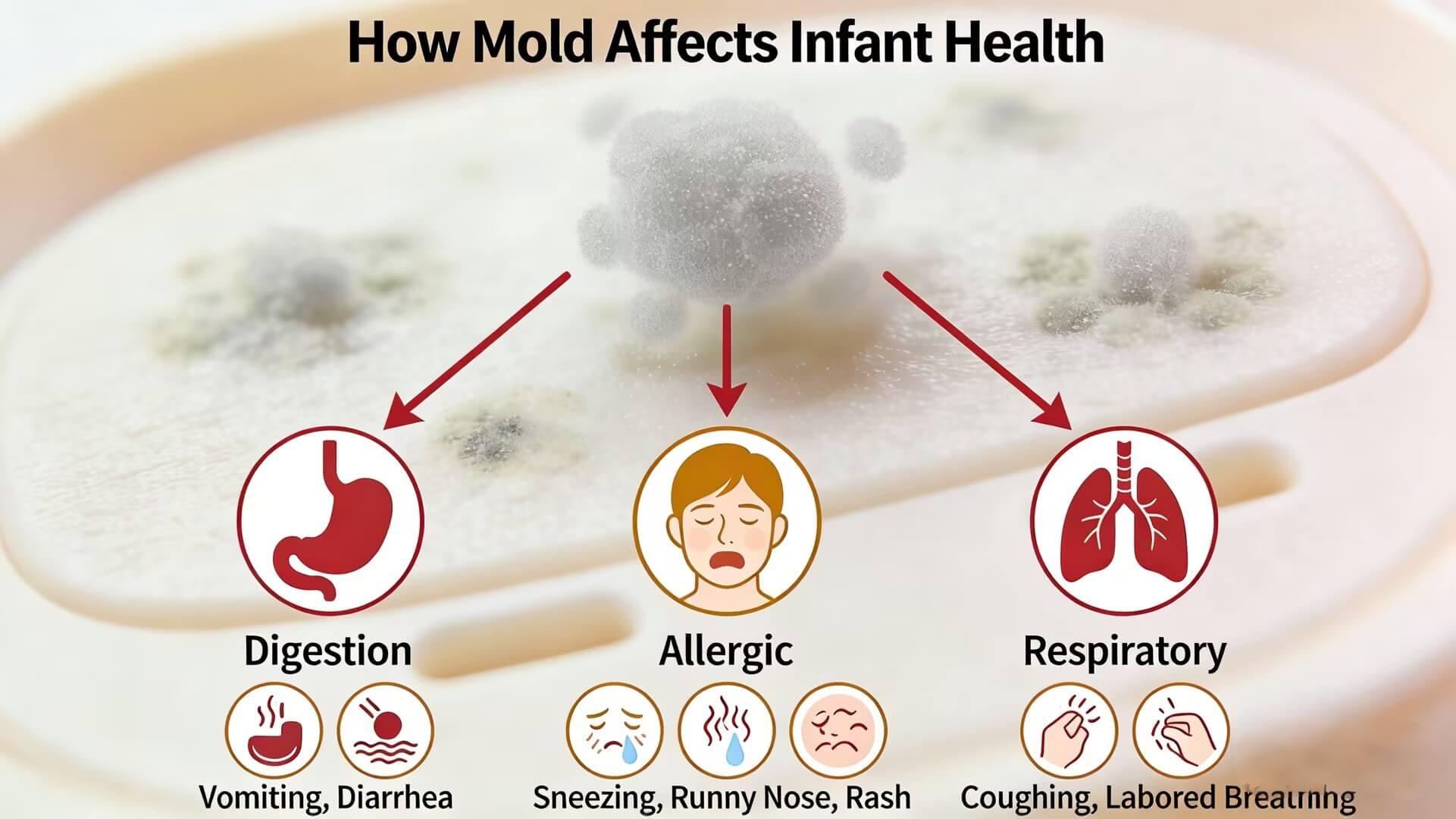
While intermitted exposure to mild mold cannot cause significant harm, persistent or massive mold presence can have an impact on a baby's health. Below are the common health risks:
1. Digestion problems
If a baby swallows mold spores, he/she may start vomiting and may catch stomach problems such as diarrhea or stomach cramps.
2. Allergic Reactions
Some babies may experience symptoms like sneezing, coughing, runny nose or develop a rash around their mouth.
3. Respiratory Concerns
Mold particles residing on toys might infect babies’ lungs if inhaled. This might cause breathing concerns especially in infants.
How to Handle Mold on Silicone Baby Products
Any product, particularly silicone baby items, prone to mold should be kept aptly clean. However, if they have developed mold, you must clean them properly or they can cause health problems. Let's have a look at the steps you can take to get rid of mold on silicone products.
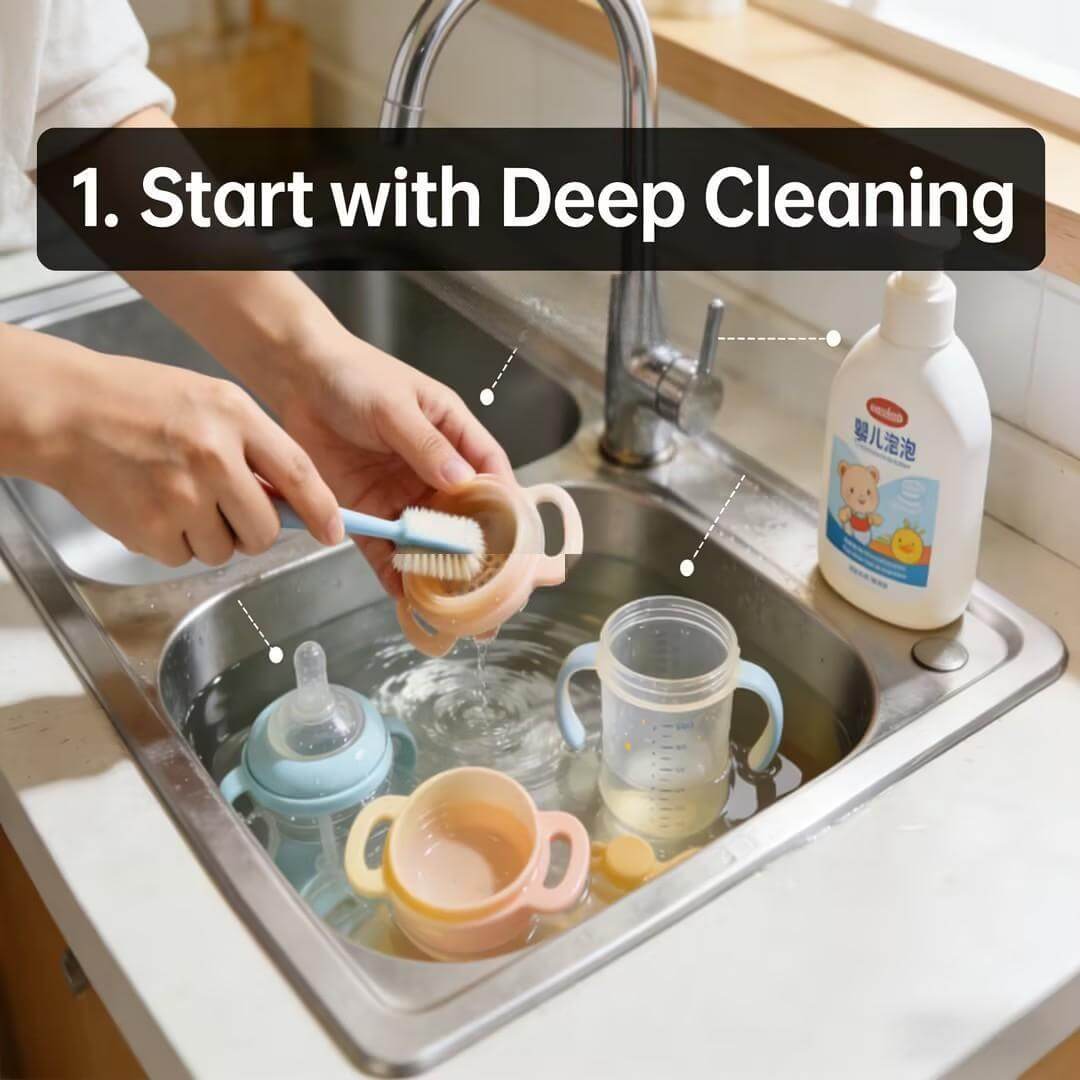
1. Start with Deep Cleaning
Start with disassembling the product. Put the moldy item in hot water for a while and then rinse it properly. Pay attention to every crevice and difficult to reach part. Remember to use a detergent that is safe for babies.
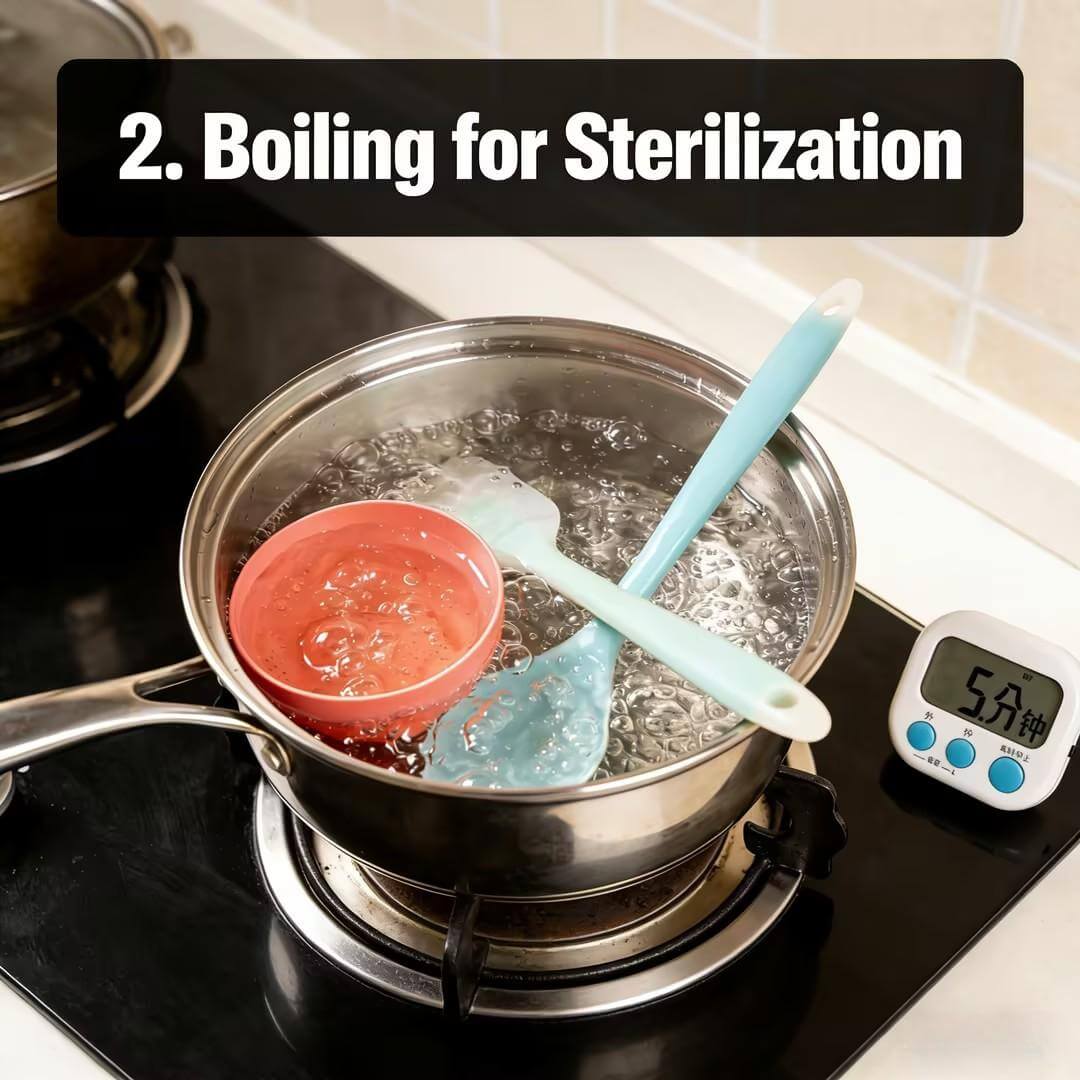
2. Boiling for Sterilization
Boiling is an effective method to sterilize products and get rid of any remaining mold after washing. Boiling for just five minutes is enough and then leave the product to dry naturally.
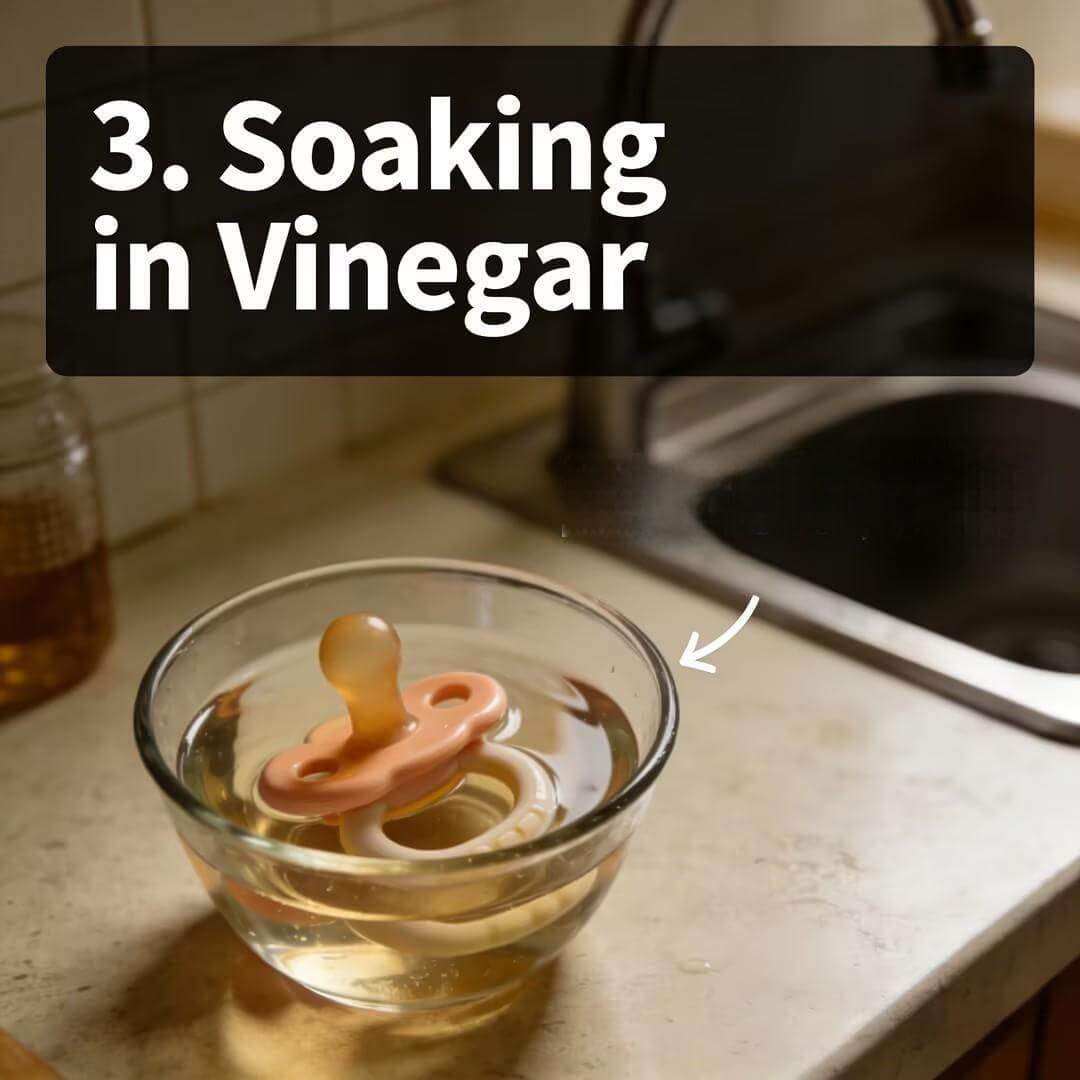
3. Soaking in Vinegar
Vinegar is nature's marvellous disinfectant. The best thing about it is that it is safe to use for baby items. You can make your own simple cleaning solution by mixing equal parts of vinegar and warm water. Soak the product in the mixture for at least half an hour and then rinse it well.
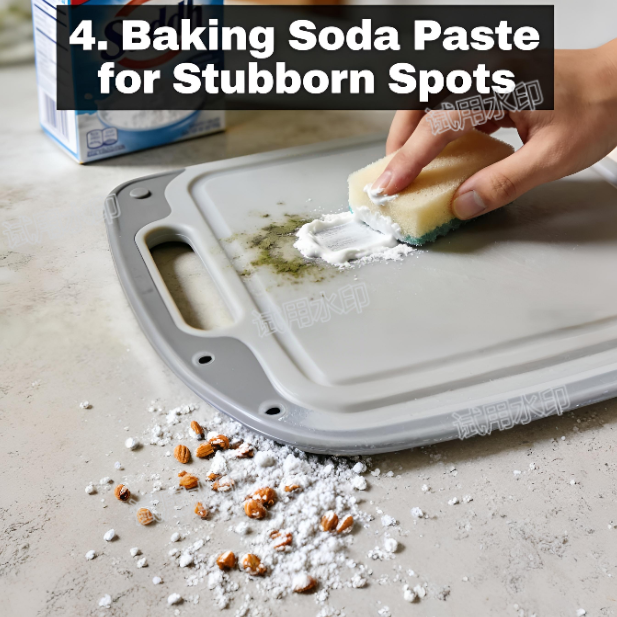
4. Baking Soda Paste for Stubborn Spots
Stubborn mold stains can be dealt with by scrubbing them with a paste of baking soda and water. Baking soda is a favourite for cleaning purposes as it does not cause damage to the material and cleanses thoroughly.
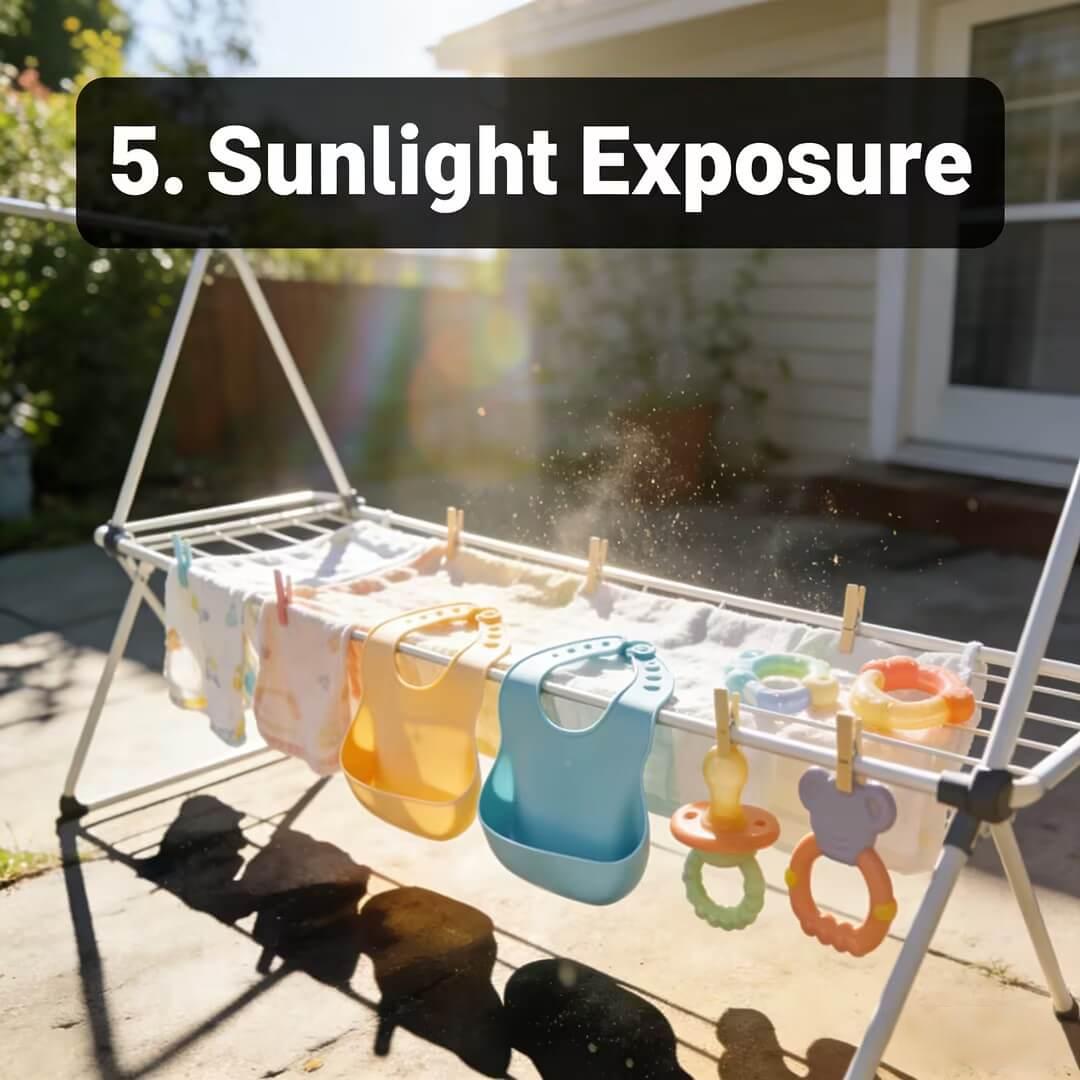
5. Sunlight Exposure
Strong sunlight is a natural disinfectant. Placing the silicone made baby products in direct light for a couple of hours eliminates odor and kills spores.
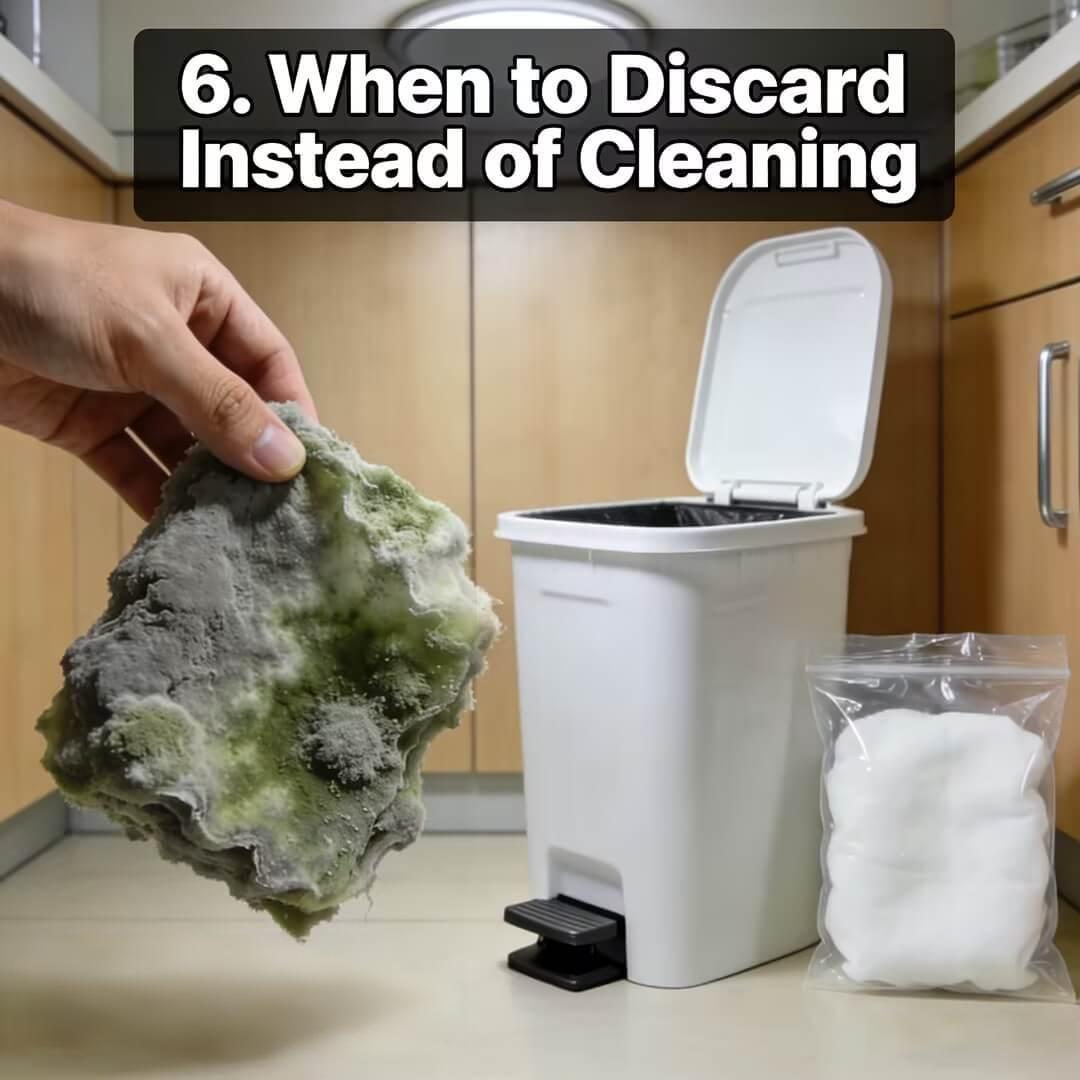
6. When to Discard Instead of Cleaning
As the health and safety of the baby remains a top priority, it is advisable to replace the affected products under following conditions.
mold reappears more often
the colour or surface texture of the silicone changes
the product gives off a bad smell even if sterilized
Preventive Measures
It is much easier to prevent mold formation than removing it later. These practices can help in reducing mold risk in the first place.
1. Go for High-Quality Food-Grade Silicone
High quality silicone doesn't develop mold too easily. At KEAN, we take pride in offering baby products made with the finest quality silicone. While selecting silicone baby products, go for the material with these traits:
FDA-approved or LFGB-certified
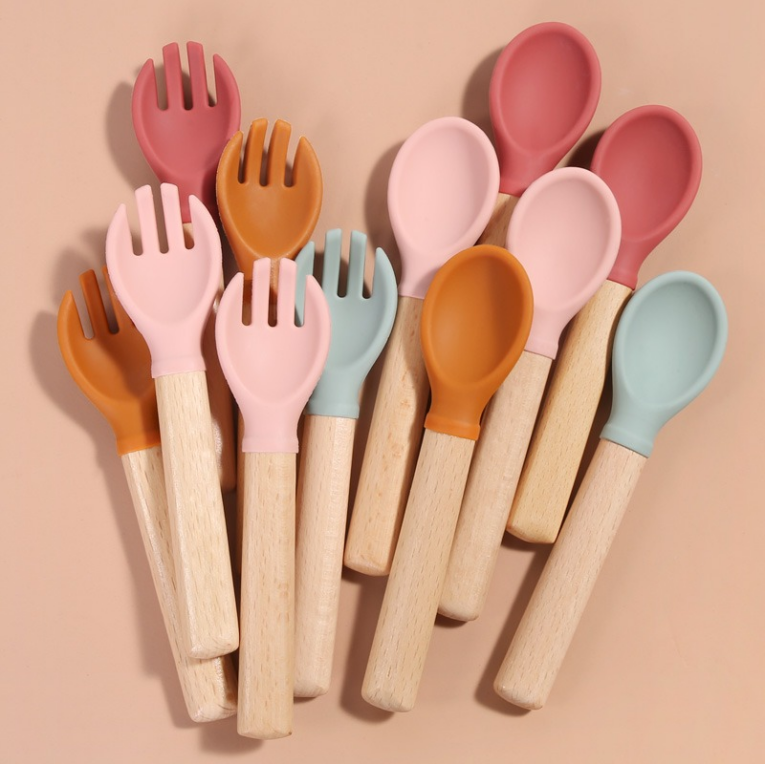
Choose a product with a simple design structure having lesser hidden areas
Simpler design tends to dry up more quickly and collect less residue.
2. Clean Immediately After Use
Washing immediately after using a silicone baby item removes proteins and sugars before they get dried up and leave a mark on the surfaces.
3. Fully Disassemble for Every Wash
Get the valves, straws, rings, inner caps and all other parts separated before cleaning. It has been observed that mold develops around those areas which are unreachable inside multi-part products.
4. Prioritize Complete Drying
Prefer open areas with ample ventilation to naturally and thoroughly dry up the products if possible.
5. Regular Sterilization
Boil or steam-sterilize silicone products after a week or so, depending on how frequently the product is used.
6. Proper Storage
Breathable storage baskets are more practical to use rather then airtight boxes, especially in an environment with excessive level of humidity to prevent mold.
Final thoughts
Nothing can match the silicone made baby products when it comes to safety and convenience. Moreover, they are well-suited for infants, yet mold can form if moisture and residue accumulate. Parents need to have a clear understanding of the structural causes, the environmental triggers, and the correct cleaning and prevention methods that help them in maintaining hygienic and proper feeding routine.
With simple habits such as thorough cleaning, proper drying, regular sterilizing, and smart product selection, families can make sure that silicone items stay fresh, safe, and mold-free. Your baby’s health demands a bit of extra care which in return gives you satisfaction and peace of mind.


