


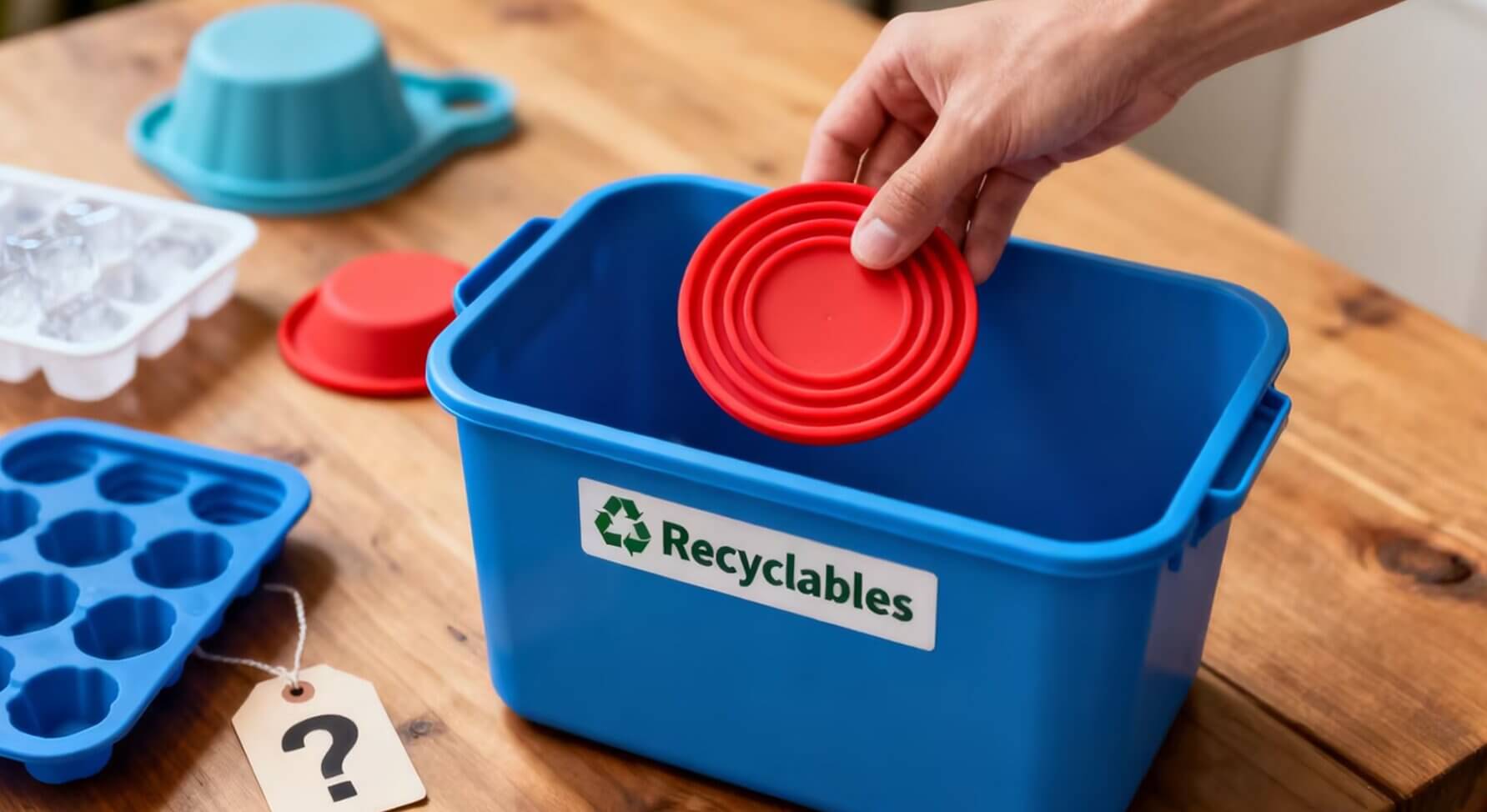
If you use silicone products like baby pacifiers, teething beads, food pouches, and kitchen utensils, you no doubt appreciate their durability, flexibility, and safety for food and liquid.
Despite the advantages of silicone products, many are curious to know what happens to silicone products when they reach their shelf life. Is silicone biodegradable? Can it be recycled? Compared to other alternatives on the market, is it an eco-friendly option?
The answer is YES ! Silicone is RECYCLABLE !
This article provides a clear and detailed analysis of the durability of silicone, its degradation and recycling processes, and its level of eco-friendliness.
Why Silicone Lasts for so Long
Its ability to last long and also remain durable is one of the many reasons many have come to appreciate silicone.
Silicone is a combination of silicon and oxygen, also known as siloxane. This is a chemically and thermally stable molecular structure, which supersedes the carbon-to-carbon bonds present in regular plastics that are often used in the production of similar items as silicone.
Research reveals that the chemical composition of silicone allows it to withstand decomposition despite constant use and exposure to high temperatures. And this explains why silicone is:
1.Chemically and Thermally Stable
Silicone doesn't react with oil, acids, and can also withstand high temperature levels from-40°C to 220°C or even higher. If you own a baking mat, you would notice it stays intact in high temperatures, be it in the oven or cold storage.
2.Resistant to Degradation and Reusable
Its strong nature prevents breakdown from everyday wear and tear, UV light, and moisture. Additionally, some companies or entities repurpose worn-out industrial-grade silicone products to make less demanding products. Also, in a residential setting, damaged household silicone products like baking mats can be repurposed as potholders, grips, and other practical applications.
Is Silicone Biodegradable?
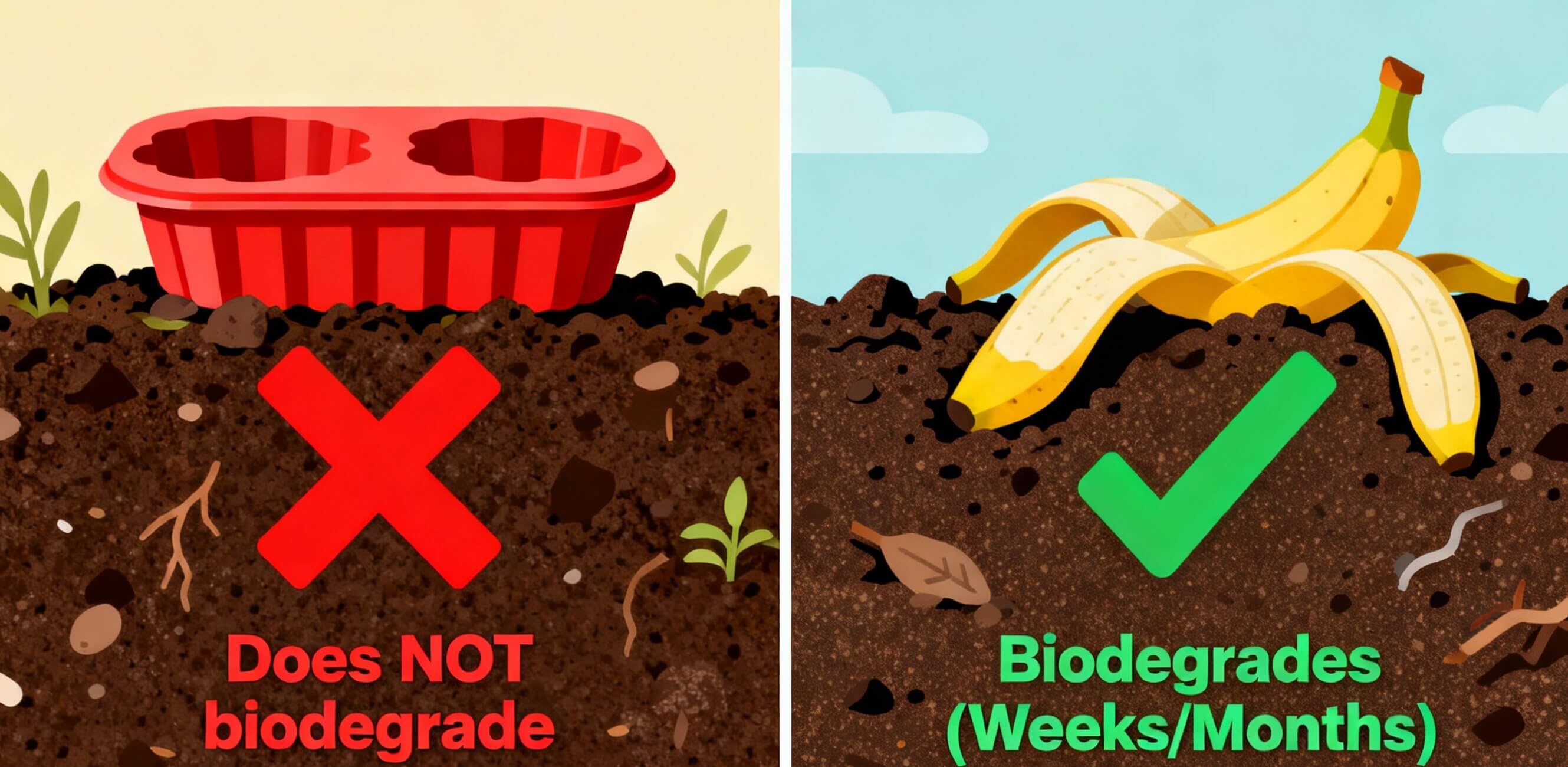
Is Silicone Biodegradable? This is a question that many who value the flexibility and durability of silicone, yet care about the environment, often ask. The simple answer is no! Silicone is not biodegradable, even though silicone comes from silica (sand).
The chemical bond, siloxane, that gives silicone remarkable strength and high temperature resistance, also significantly slows degradation. It can take decades for silicone to decay properly. This is why silicone must be disposed of appropriately, not dumped just anywhere.
Environmental Hazards of Disposing of Silicone Inappropriately
Since silicone products are not biodegradable, inappropriate disposal often leads to:
1.Overfilled Landfills: Dumping silicone in landfills leads to accumulation that increases the amount of waste because Silicone doesn't decay for years.
2.Loss of Reusable Material: Improper disposal makes it impossible to reuse or repurpose silicone, shortening its lifecycle.
If silicone is not biodegradable, can it be recycled? Let's see.
Can Silicone be Recycled?
Silicone is recyclable. The different recycling centres in your communities may come to mind, but such centres are designed for regular plastic materials such as HDPE, PP, PET, etc. As for silicone, it requires industrial recycling.
Let's look at silicone recycling in detail, starting with the industrial methods.
Types of Industrial Silicone Recycling
1.Chemical Recycling: Using a method known as advanced depolymerisation, heat and chemicals are used to break the silicone into raw siloxane or silicone oils. Then the breakdown is used to remanufacture.
2.Mechanical recycling: The mechanical approach involves shredding silicone into tiny bits, which are reusable in the production of new silicone products.
In what type of facilities can silicone be recycled?
Facilities for Recycling Silicone
As mentioned earlier, regular recycling facilities aren't designed for silicone. However, some facilities are designed to handle silicone. Here are a few avenues to recycle silicone:
1.Take Back Programs by Manufacturers: In the wake of environmental issues, some silicone manufacturers allow users to return old silicone products. Such manufacturers accumulate a larger volume and use industrial infrastructure to recycle the waste.
2.Recycling Companies: Companies like Terracycle and GoSili run silicone recycling facilities. Such companies collect silicone waste from different entities. Sometimes, some manufacturers that run take-back programs partner with these companies for recycling purposes.
A few reasons to consider recycling are:
Environmental and Economic Impact of Silicone Recycling
Recycling silicone has a positive environmental and economic impact, some of which include:
1.Waste Diversion: Recycling significantly reduces the volume of silicone waste dumped in landfills. The approach lowers the level of pollution that non-biodegradable materials, such as silicone, pose to the environment.
2.Reduces Demand for Raw Material: Recycling silicone waste reduces the demand for raw material used for silicone production, as some of these materials are finite.
3.Reduced Carbon Footprint: The amount of energy required to produce silicone from scratch is significantly higher than recycling silicone waste. Thus, using recycled waste decreases the energy needed to produce new silicone products, reducing the carbon footprint.
4.Cost Savings: Economically, silicone manufacturers benefit as they spend less on acquiring raw material for production. Recycled waste takes off that load to a reasonable extent.
5.Promotes Circular Economy: In a circular economy, materials are never wasted but are kept in circulation through reuse, recycling, and similar methods. Recycling silicone waste follows this principle, which creates jobs, reduces waste, and lowers costs for both businesses and consumers.
Can You Recycle Silicone at Home?
From what has been considered so far, recycling silicone at home is definitely not feasible due to the type of equipment that the process requires.
Do not attempt to melt or chemically break down silicone at home. These processes are energy-intensive and entail industrial-grade infrastructure. More importantly, the processes may give off dangerous fumes if not managed properly.
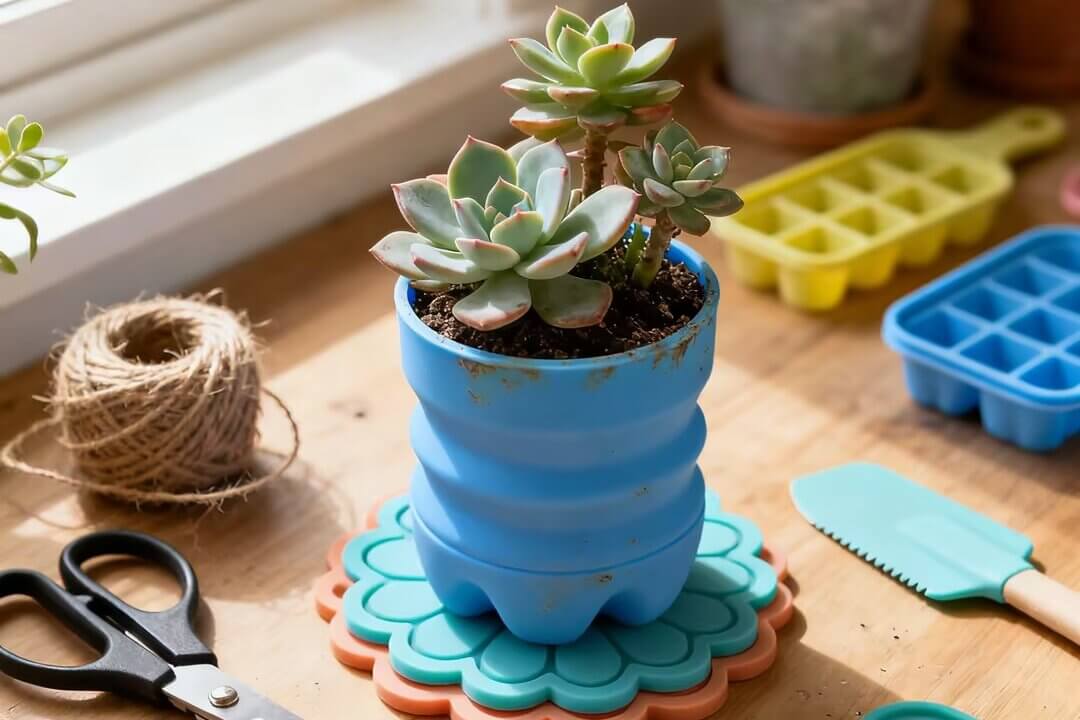
The only safe option is to repurpose or reuse old silicone items. For example, if a silicone water bottle is damaged and not fit for use anymore, convert it to a jar in your garden. This approach is not limited to a water bottle. It may be a worn-out baking mat or similar items that are reusable for other purposes at home.
Why Silicone Remains a Preferred Eco-friendly Choice
In comparison to regular plastics or rubber used to produce kitchenware and a wide range of consumer goods, silicone remains the most eco-friendly choice. Some key reasons are:
1.Temperature Tolerance: Silicone's ability to remain stable despite extreme temperatures means it doesn't disintegrate into microplastics due to rigorous use, making it safe for the environment.
2.Exceptional Durability: Being durable also reduces frequent replacement by consumers, as many silicone items have a lifespan of 10 years or more. Therefore, fewer silicone items are discarded as waste.
3.Recyclable
Although not biodegradable, silicone can be recycled. This factor contributes to its eco-friendliness as this prevents silicone waste from piling up and posing a danger to the environment centuries later.
Although silicone is not perfect, it has a smaller environmental footprint and remains one of the most recommended materials for producing day-to-day items at home and for industries.
Final Thought
Silicone has earned its place in homes and industries by delivering a rare combination of safety, durability, and reusability. Its resistance to high temperatures and chemical reactivity makes it ideal for products that come into contact with food, liquids, and sensitive environments.
While silicone is not biodegradable, its long lifespan and recyclability make it a sustainable option—especially when viewed as part of a circular model focused on extended use and material recovery.
A Note from KEAN
At KEAN Silicone, we see silicone as both a material and a responsibility. For over 20 years, we’ve partnered with brands and retailers to create high-quality silicone products that are not only safe and functional but designed with sustainability in mind.
We support recycling initiatives and responsible consumption, and we invite brands looking for a reliable, eco-conscious manufacturing partner to connect with us.
Let’s build a more sustainable product line—together.Contact us today to learn more about our silicone product customization, production capacity, and just about any inquiry you may have!


