


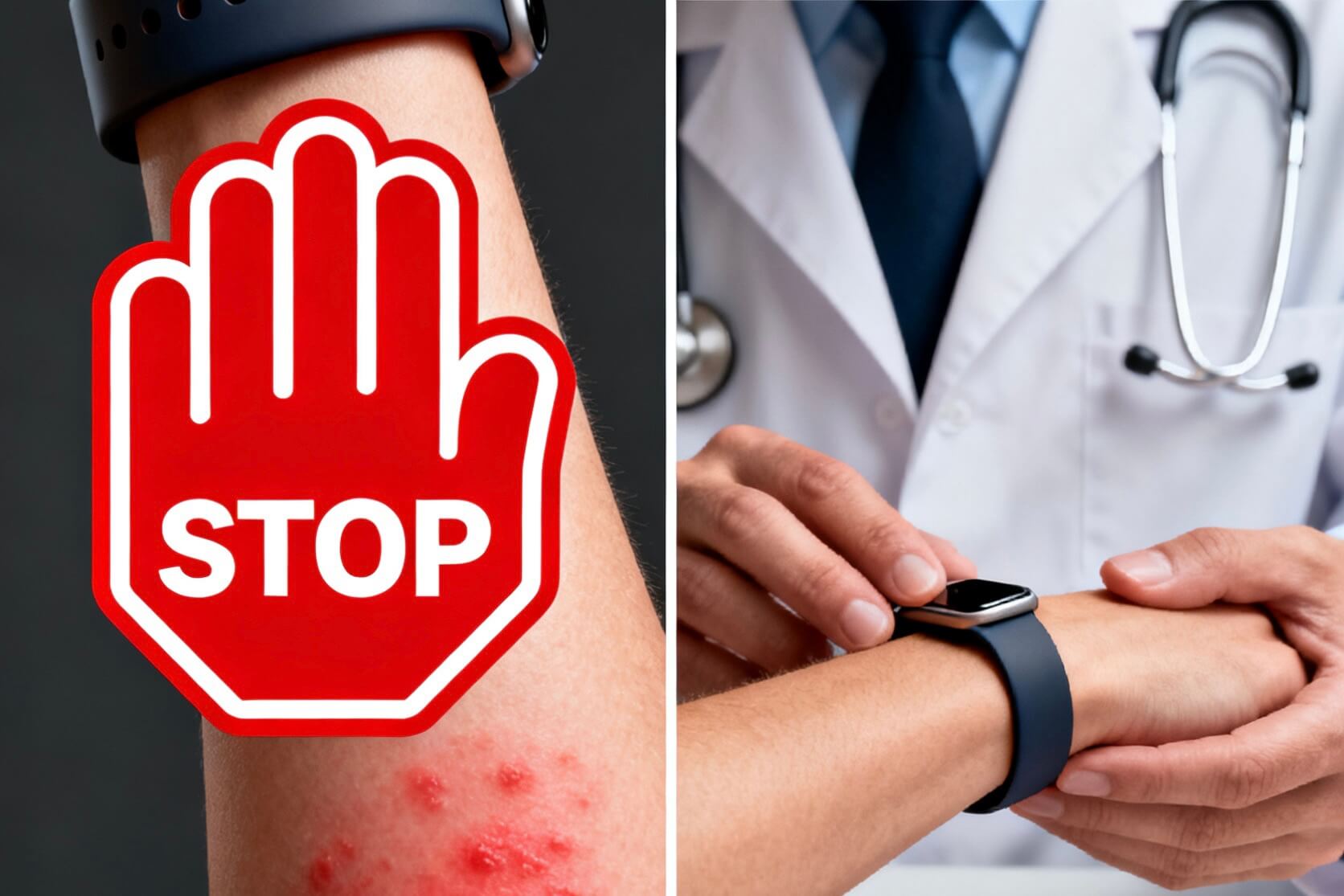
Silicone is generally biologically inert, which means genuine silicone allergies are uncommon. In most cases, what people describe as a “silicone allergy” is really a reaction to other additives used in silicone products or other skin sensitivities. Even so, when a customer reports redness, itching, or irritation after using a silicone item, it can quickly become a serious issue for your brand.
This article walks you through what these reactions might look like, how to respond when they occur, and the steps you can take to reduce product risks.
Identifying Silicon Allergy: Common Symptoms
A true allergy to the base silicone polymer (polydimethylsiloxane (PDMS) itself is exceptionally rare. Experts and medical literature generally consider it to be biocompatible and non-sensitizing, which means it does not react with living organisms at all to cause any type of reaction.
But if a reaction does take place, it usually appears as Type IV delayed hypersensitivity, 12 to 72 hours post-exposure, typical of allergic contact dermatitis (ACD).
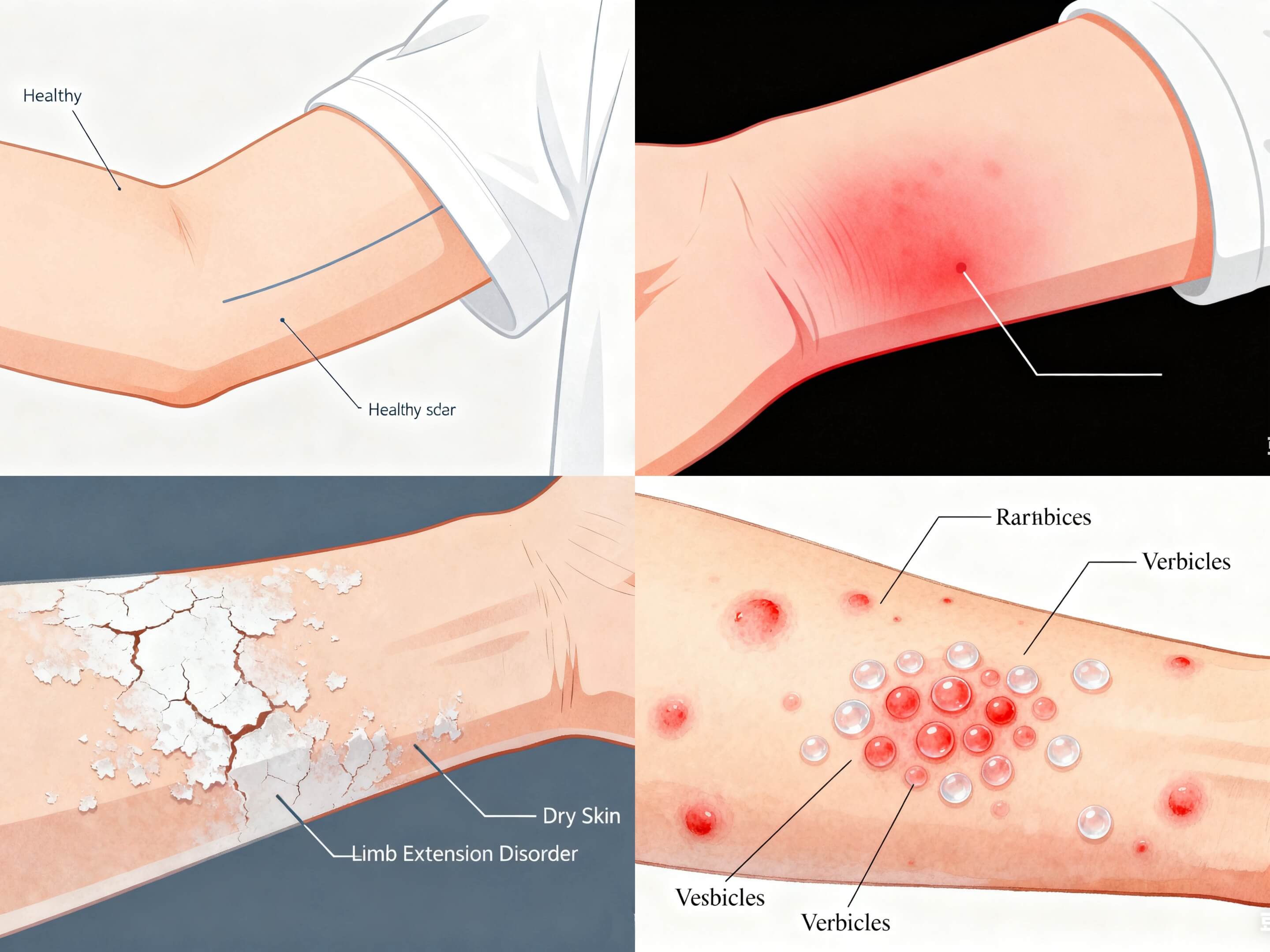 Itching or tingling sensations
Redness or mild inflammation
Dry, cracked, scaly skin or rash
Fluid-filled blisters (vesicles) or raised bumps (papules), which may weep or crust over
What Causes Silicon Reaction: Allergenic Factors
More often than not, the cause of silicone adverse reactions is additives used in the manufacturing process or environmental factors. The most frequent culprits are:
Curing Agents (Catalysts): Leftover platinum compounds or peroxides, used in the manufacturing process for polymerization (the curing process).
Volatile Organic Compounds (VOCs) and Extractables: Small, unreacted molecules or degradation products, such as siloxanes (like D4, D5, D6), that leach out of the material. Major concern for products in prolonged contact, such as menstrual cups.
Colorants and Pigments: Many dyes used in colouring silicone contain metals or organic chemicals (e.g, certain azo dyes) which are known to be contact allergens.
Trapped Sweat and Moisture: Products forming an occlusive barrier, such as silicone CPAP mask cushions or waterproof patches, entrap perspiration and epidermal detritus, which can heighten the risk of irritation.
Microbial Growth: Poor hygiene by users of reusable items, such as facial cleansing devices or earplugs, allows the growth of bacteria and fungi.
Diagnostic Guidelines: How to Know If You Are Allergic
The doctor takes a detailed patient history and assesses the rash to distinguish it clinically from common conditions like atopic dermatitis or irritant contact dermatitis.
Patch Test: Standardized patch test panels do not typically contain silicone allergens. So the allergist or physician uses a modified patch testing using the patient's actual device or its raw chemical constituents and applies it to the skin for 48 hours.
Intradermal Test: Alternatively, they can do an intradermal test, where a liquid silicone preparation is directly injected under the surface of the skin. If a raised, red, itchy bump (a "wheal and flare") appears at the site within 20-50 minutes, it’ll indicate a potential allergy.
They may also establish exclusion criteria to confirm the reaction is not due to common textile dyes, preservatives, or adhesives, and that the patient reacts specifically to the isolated final silicone material.
Response Methods: Treatment and Allergen Handling
Having a clear response protocol for silicon allergy is necessary to protect both the consumer and your brand's reputation.
For the Consumer (Advice to Provide):
Advice to discontinue use of the suspected product.
Clean the affected area with mild soap and water to eliminate any leftover surface residues.
Use cool Compresses to reduce edema and pruritus.
Apply a hydrocortisone cream (available over-the-counter in 0.5% or 1%) or calamine lotion to localized itching.
Take oral antihistamines, like cetirizine (Zyrtec) or diphenhydramine (Benadryl), to help reduce the body's allergic response.
After the initial inflammation has gone, use a thick, hypoallergenic emollient or a barrier cream.
If the reaction is severe, widespread, or involves blistering, advise them to seek medical attention promptly.
For Your Business (Internal Protocol):
As a manufacturer or distributor, when a customer logs a report, it should also trigger an internal investigation and mitigation plan:
Isolate the batch/LOT numbers, save the described symptoms, and the customer's account.
Contact the manufacturer to further inquire about the curing process, additives used-especially colorants, and the quality control issues at the time of that production run.
Verify their certifications, especially FDA, LFGB, RoHS, REACH, and testing for future reference.
If the reaction is confirmed, advise the consumer to transition to products made from 100% pure platinum-cured silicone or non-silicone alternatives.
High-Risk Scenarios: Which Silicone Products Are Most Likely to Cause Reactions?
While it is possible for any silicone product to cause a reaction if it contains a potential irritant, the risk is not uniformly present. As a business, it's important to understand this risk profile for category management and sourcing decisions.
Product Category | Example Products | Risk Profile | Risk Factors |
Wearable Items | Continuous Glucose Monitoring (CGM) patches Fitness tracker bands Scar-reduction sheets Watch bands Adhesive bras Compression garments Jewelry. | Moderate to High | -Occlusion & trapped sweat + microbial proliferation. -Acrylics in adhesive (PSA) layer |
Cosmetics & Personal Care | Foundation primers Silicone makeup sponges Facial cleansing brushes Pore cleansing pads | Moderate | -Preservatives -Fragrances -Mechanical action of daily use |
Consumer/Kitchen Items | Spatulas Baking mats Whisk covers Ice cube trays Reusable food storage bags Baby bottle nipples | Low to Moderate | -Higher levels of VOCs because of heating -Sensitizing dyes -Mineral fillers |
Medical Devices | Catheters Tubing Wound care dressings Breast implants Laryngeal mask airways (LMA) | Low (for certified devices) | -Leaching of extractables due to tissue or blood exposure -Latex cross- contamination |
Proactive Prevention: Sourcing and Quality Assurance Guide for Businesses
Minimizing the allergy/irritation risk associated with your products starts long before the product reaches the customer. The key is to establish stringent sourcing and testing standards.
1- Testing and Validation Protocols
Relying on supplier claims is not enough. Insist on objective proof in the form of:
Medical Grade Certifications: ISO 10993 (Biological evaluation of medical devices), USP Class VI
Food Grade Certifications: FDA 21 CFR 177.2600, LFGB
For high-volume or high-risk products, invest in independent lab testing to analyze for:
Residual Siloxanes (D4, D5, D6, etc.)
Heavy metals and phthalates
BPA, BPS, and other harmful plasticisers
Ensure your manufacturer can provide a Certificate of Analysis (CoA) for each production batch, confirming it meets the agreed-upon material specifications. Perform small-batch trials, especially for wearable items where skin sensitivity varies widely.
2- Selecting High-Quality Pure Silicone Products
The purity of the silicone compound is the single most important factor in reducing allergenic potential.
Insist on silicone that has been processed using the “platinum-cure method”. It yields an extremely pure, stable, and chemically inert material with virtually no volatile by-products.
Be wary of suppliers who cannot or will not disclose their material composition. They may be using fillers (e.g., chalk or silicate powder) to reduce costs.
Also, look at the visual and tactile red flags. High-quality silicone has a smooth, consistent surface finish and a specific density. Poorly made products may have a tacky or oily feel, visible seams, or an uneven texture.
How to Care for New Silicone Products?
Wash all of the silicone items with warm water and a mild, unscented detergent to remove any factory residues and dust accumulated upon shipping.
For kitchenware or skincare tools, clean with a vinegar solution or a brief boil in water (if the product specifications allow).
Store silicone products in a cool, dry place away from direct sunlight.
For wearables or kitchenware, recommend occasional deep cleaning and drying to prevent sweat or oil accumulation.
Discourage using abrasive cleaners or brushes that could microscopically damage the surface, potentially trapping contaminants over time.
The proactive stance decreases risk, minimizes customer complaints, and helps your brand establish its position as a responsible and knowledgeable industry partner.
Conclusion
While true silicone allergies are rare, consumer awareness of skin sensitivities and material safety is at an all-time high. To maintain the highest standard and safety, prioritize partnerships with certified manufacturers like Kean Silicons, who utilize high-purity, platinum-cured silicone and can provide verifiable test data.
Also, educate your customer service teams pto rovide clear usage guidelines to end-consumers to solidify your brand's reputation for responsibility and expertise.
FAQ’s
Q. What is the difference between a silicone allergy and a latex allergy?
Latex allergy is an immune response to natural rubber proteins, in the form of a severe Type I immediate hypersensitivity reaction, which can cause potentially life-threatening anaphylaxis within minutes. On the other hand, silicone allergy is usually a Type IV delayed hypersensitivity (contact dermatitis); it is localized to the skin, appears hours later, and generally has nonsystemic symptoms such as rash and itching.
Q. What does “hypoallergenic” silicone mean?
“Hypoallergenic” is a marketing term and not a strictly regulated term. It means the material has been treated to minimize common sensitizers, such as residual chemicals and pigments, making it less likely to cause an adverse reaction than low-grade alternatives. It does not mean that there is a no-reaction guarantee for every user.
Q. What are the best alternative materials to offer customers who report a sensitivity to silicone?
For kitchenware, suggest options like borosilicate glass or high-grade stainless steel. Titanium is good for jewelry and medicalapplicationss but rather expensive. Among adhesives, polyurethane films or hydrocolloid dressings are handy. For flexible molded items, one may use high-temperature nylon or TPE.
Let’s build a more healthy product line—together. Contact us today to learn more about our silicone product customization, production capacity, and just about any inquiry you may have!


