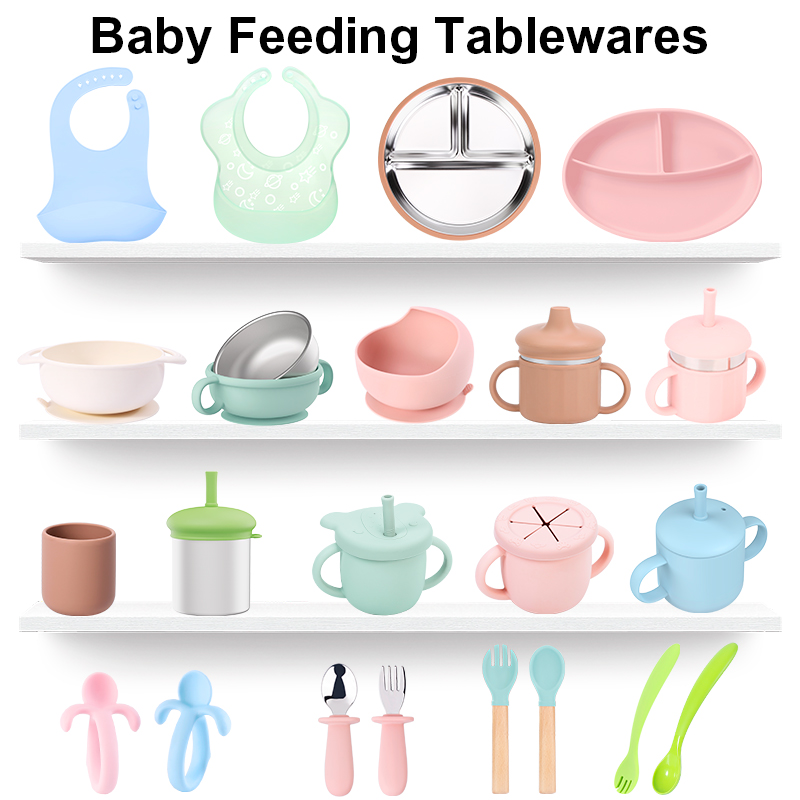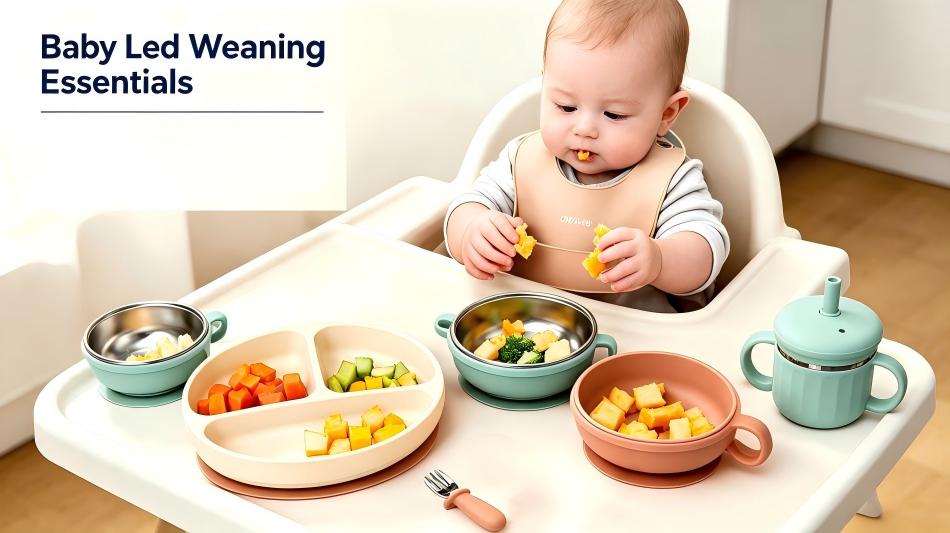
Baby Led Weaning Essentials: What Every Brand Should Include
A practical guide for brands entering the fast-growing baby led weaning market — from a developmental and safety perspective
Introduction: The BLW Market Opportunity
For brands, this shift represents a significant product opportunity. The BLW approach requires specific tools that differ from traditional spoon-feeding products. Parents adopting BLW are actively seeking products that support their baby's independence, safety, and developmental progress.
This guide outlines the essential product categories every BLW brand should consider, with a focus on material quality, safety certifications, and design features that genuinely support self-feeding.
Part 1: Why BLW Products Are Different
BLW products are not just smaller versions of adult tableware. They are designed to address the unique challenges of self-feeding:
Independence: BLW tools must be easy for a baby to hold and use without adult assistance .
Safety: Products must minimise choking risks, stay in place, and be made from materials that are safe for mouthing .
Motor skill development: BLW supports fine motor skills, hand-eye coordination, and chewing strength .
Sensory exploration: Babies learn through texture, colour, and taste — products should support that exploration .
One additional insight is that families have long relied on pureed foods to make the transition simpler, but the BLW approach—where babies self-feed with appropriately sized finger foods—is changing how many parents feed their little ones . This shift in feeding philosophy is what drives demand for the products outlined below.
Part 2: Essential BLW Product Categories
1. Suction Plates and Bowls
|
|
|
|
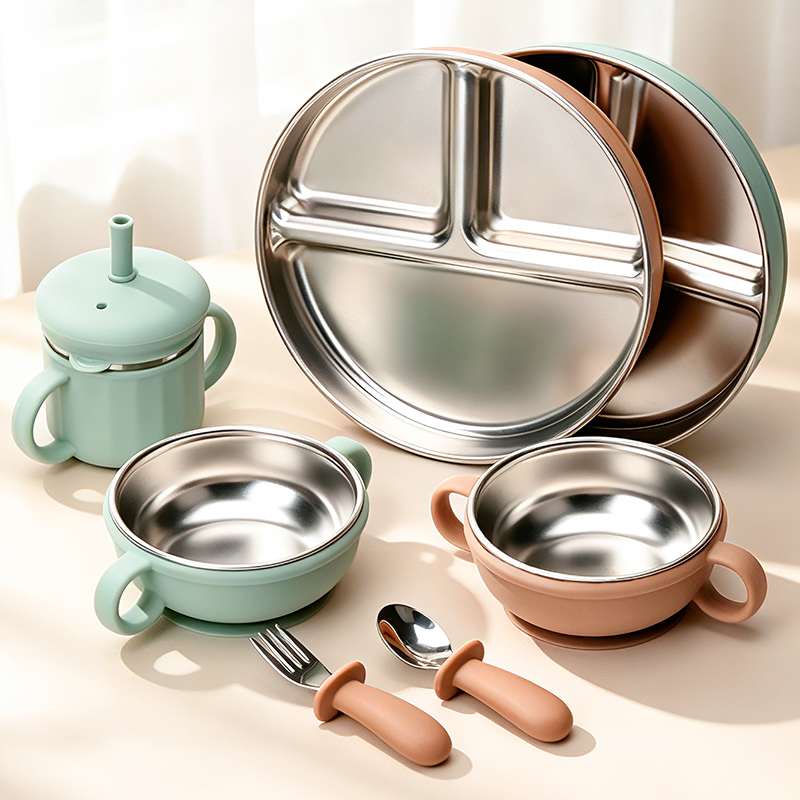
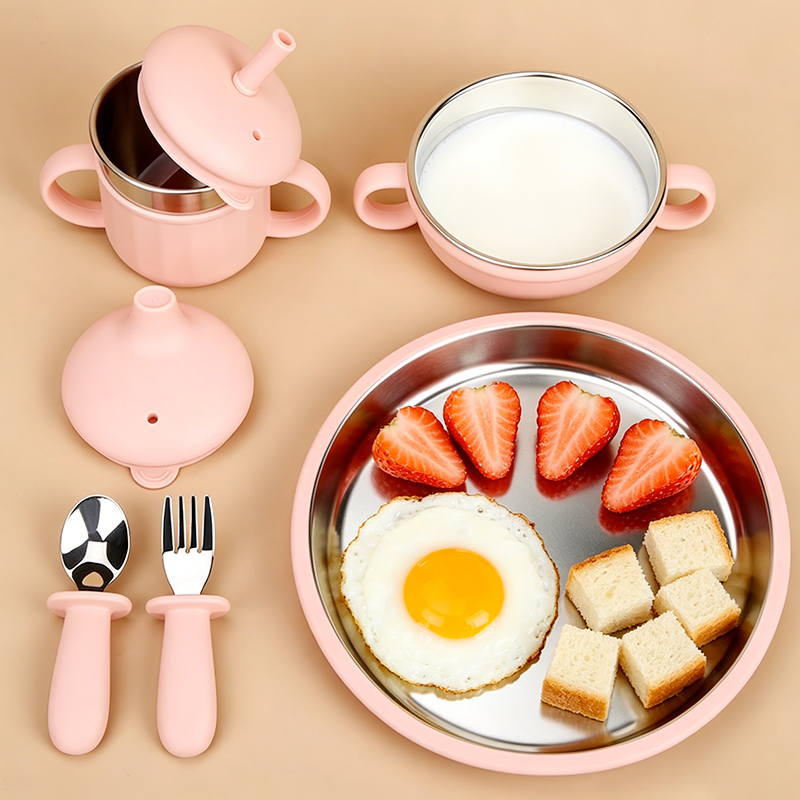
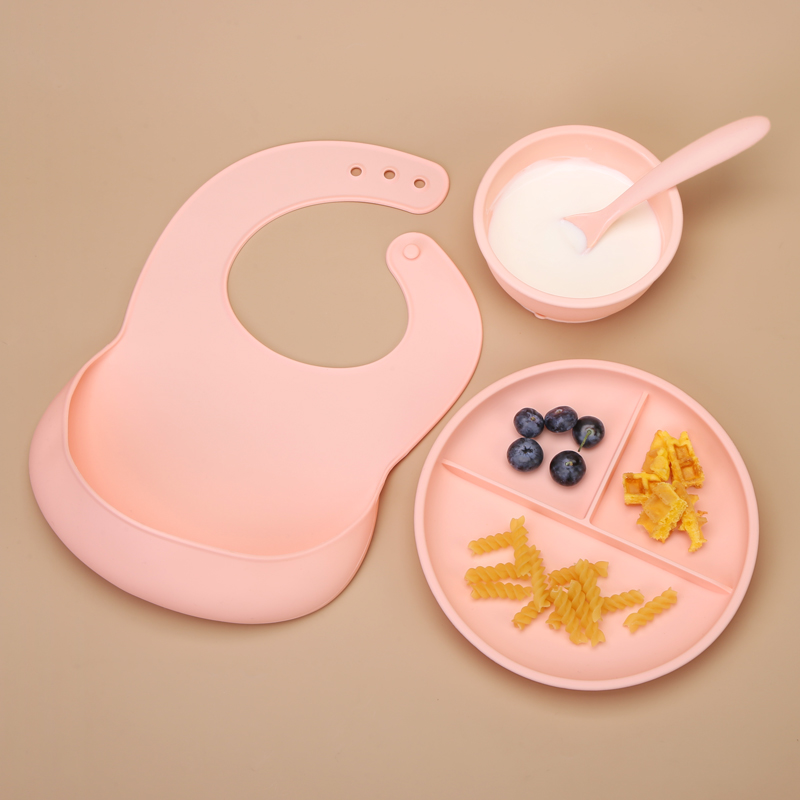
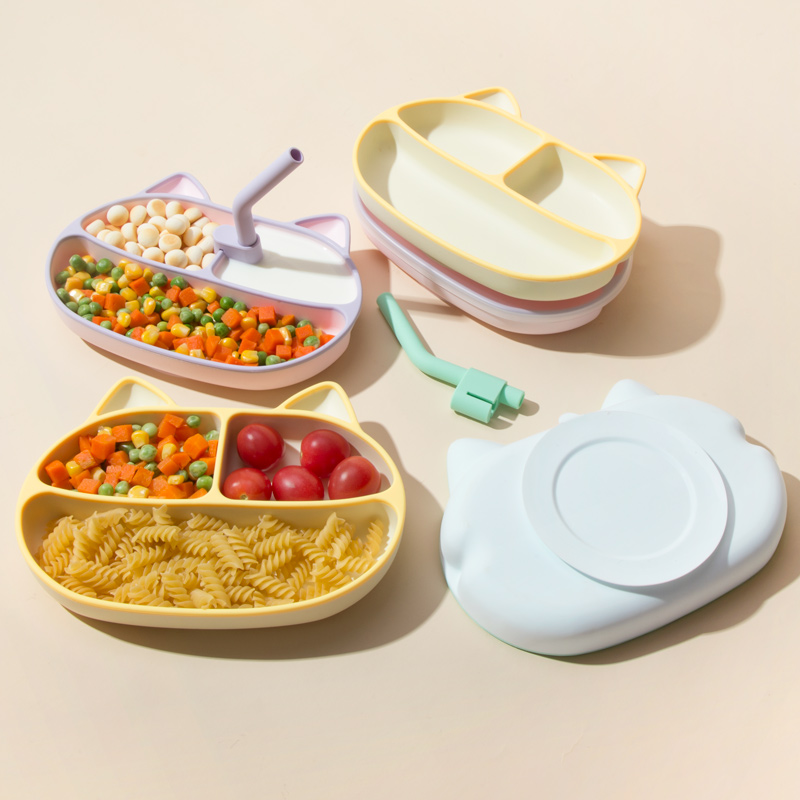
Why they matter: During self-feeding, babies will push, swipe, and sometimes throw their plates. A suction base keeps the plate firmly in place, reducing mess and frustration while allowing the baby to focus on the task of eating .
Key design features:
One-piece construction: The suction should be part of the plate itself, not a separate ring that can be pulled off .
Divided sections: Many BLW plates feature compartments to keep different foods separate, which supports both food exploration and picky eating management .
Raised edges: Helps keep food on the plate during scooping .
Strong suction: Effective on smooth surfaces like highchair trays .
B2B sourcing priorities:
Feature | Why It Matters |
100% food-grade silicone | Safe for contact with food and baby's mouth |
BPA-free, phthalate-free, PVC-free | Essential safety certifications for baby products |
Dishwasher and microwave safe | Parent convenience — a key selling point |
Temperature range: -40°C to 220°C | Freezer and microwave compatibility |
One-piece design | No detachable suction rings that become toys |
2. Self-Feeding Utensils (Spoons and Forks)
|
|
|
|
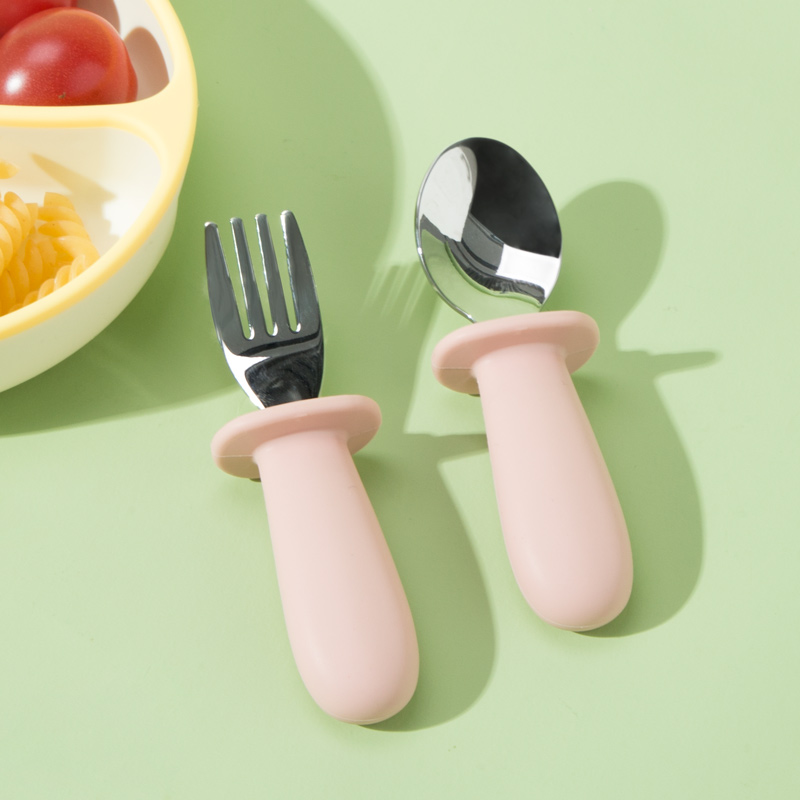
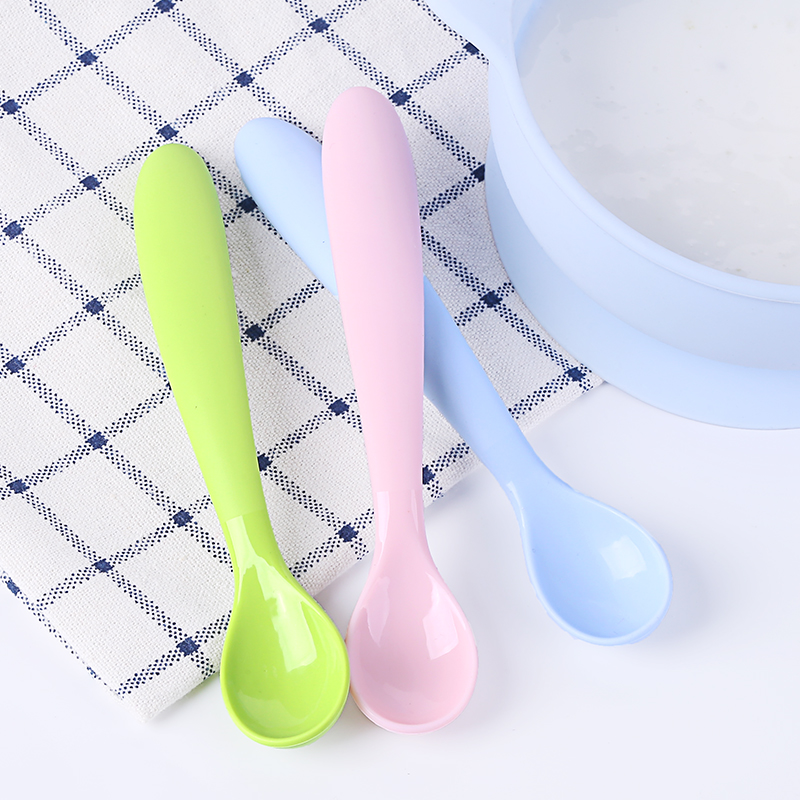
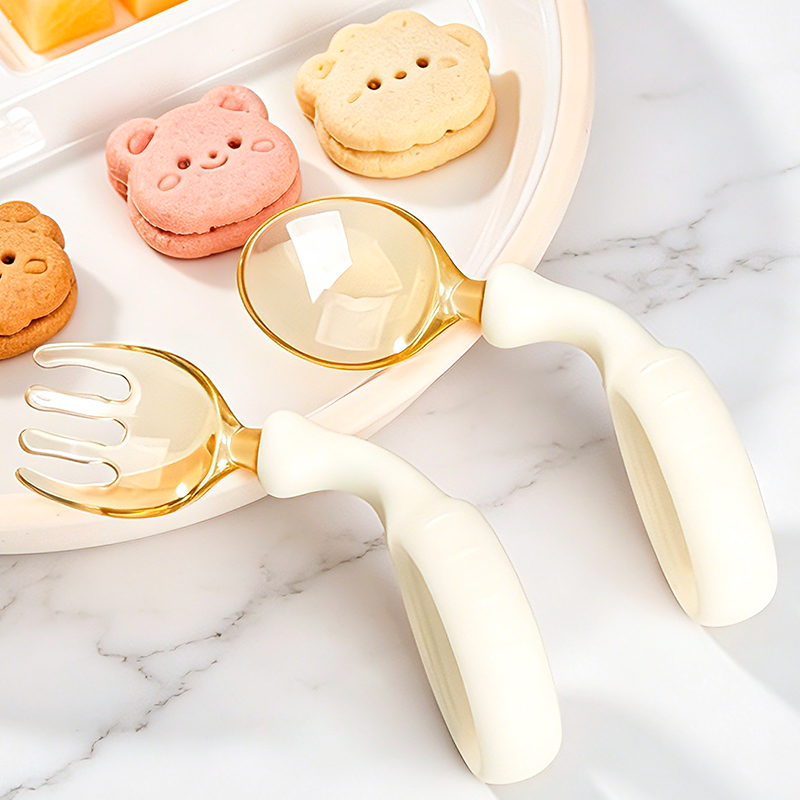
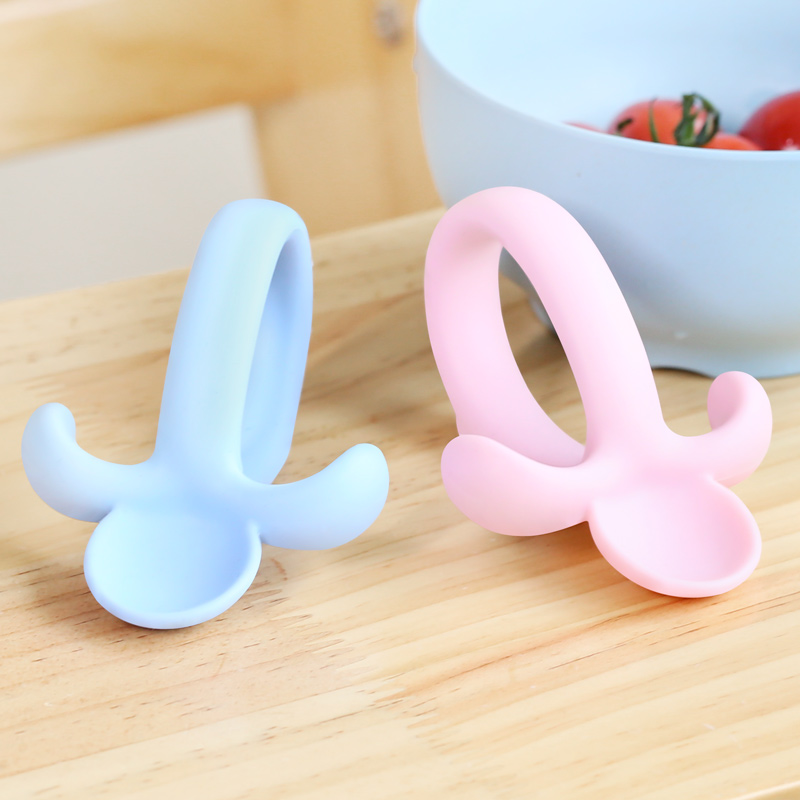
Why they matter: BLW babies need utensils that are easy to grip, gentle on gums, and designed for early-stage self-feeding. The right spoon can make the difference between a baby who is engaged and one who is frustrated .
Key design features:
Short, chunky handles: Designed for a baby's palmar grasp .
Soft, textured silicone tips: Gentle on gums; sensory bumps provide tactile stimulation .
Symmetrical/ambidextrous design: Works for either hand as the baby develops hand preference .
Stage-appropriate design: Stage 1 utensils are for dipping and scooping, not for spearing solid foods .
Product opportunity: Pre-spoons are particularly valuable for the earliest stages of BLW — designed to be used on either side, they require no wrist rotation, making them perfect for developing motor skills . Some are developed in collaboration with infant nutrition specialists and speech therapists, which is a credible differentiator for B2B brands.
B2B sourcing priorities:
Feature | Why It Matters |
Platinum-cured silicone | The highest purity curing process; no byproducts |
Textured grip | Helps baby hold the spoon even with messy hands |
Soft spoon head | Gentle on gums; safe for chewing |
Short handle length | Fits a baby's grasp |
3. Silicone Bibs with Food Catchers
|
|
|
|
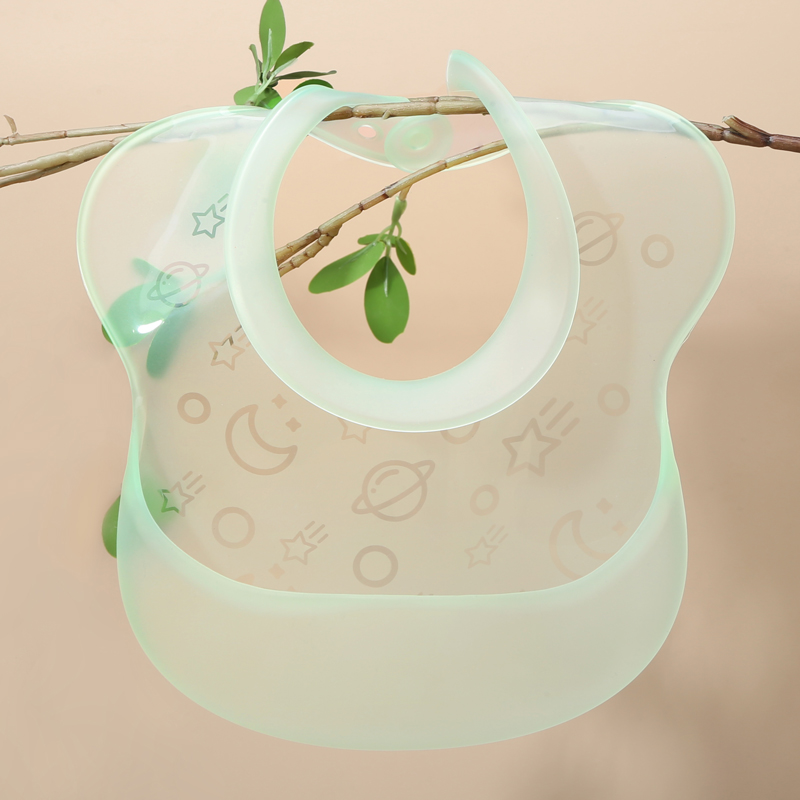
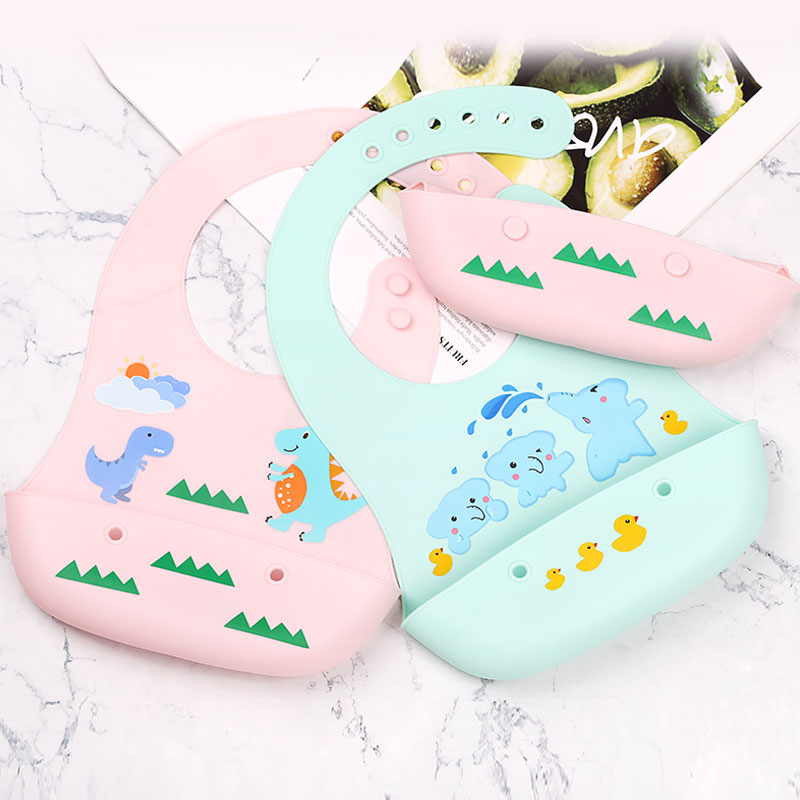
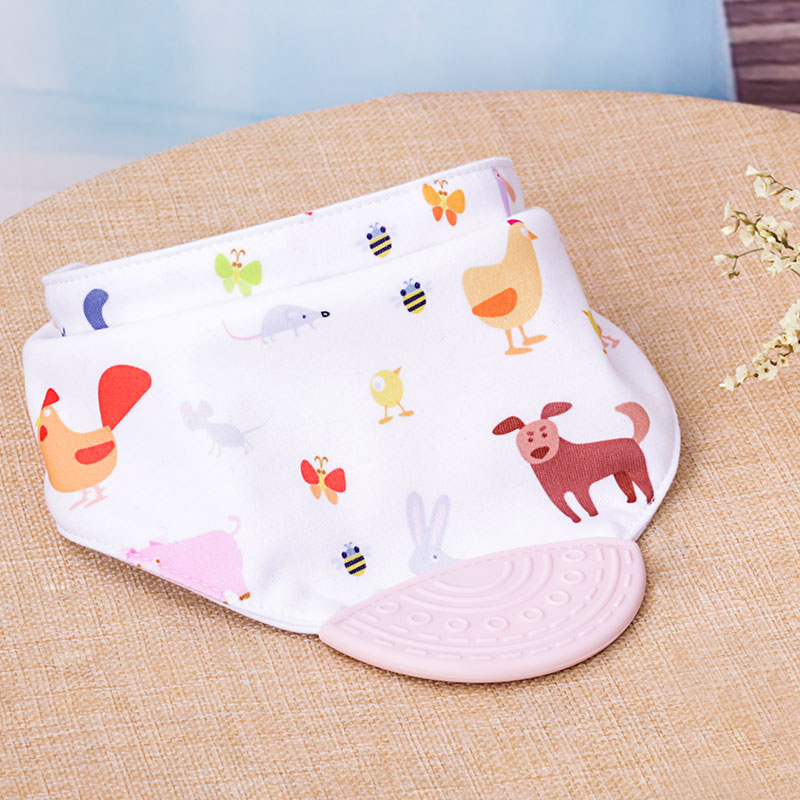
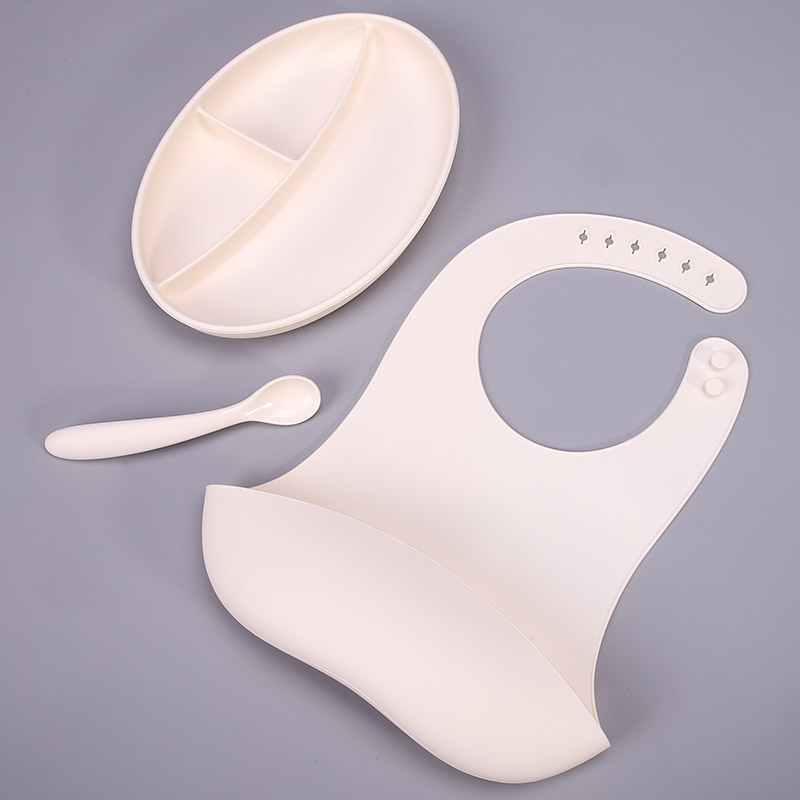
Why they matter: The mess is a defining feature of BLW . A bib with a deep food-catching pocket catches dropped food, saving parents from constant clean-up .
Key design features:
Adjustable neck closure: Fits as baby grows .
Deep pocket: Catches food and liquid spills .
Easy to clean: Wipes clean or goes in the dishwasher .
Lightweight: Comfortable for baby to wear .
4. Drinking Cups
|
|
|
|
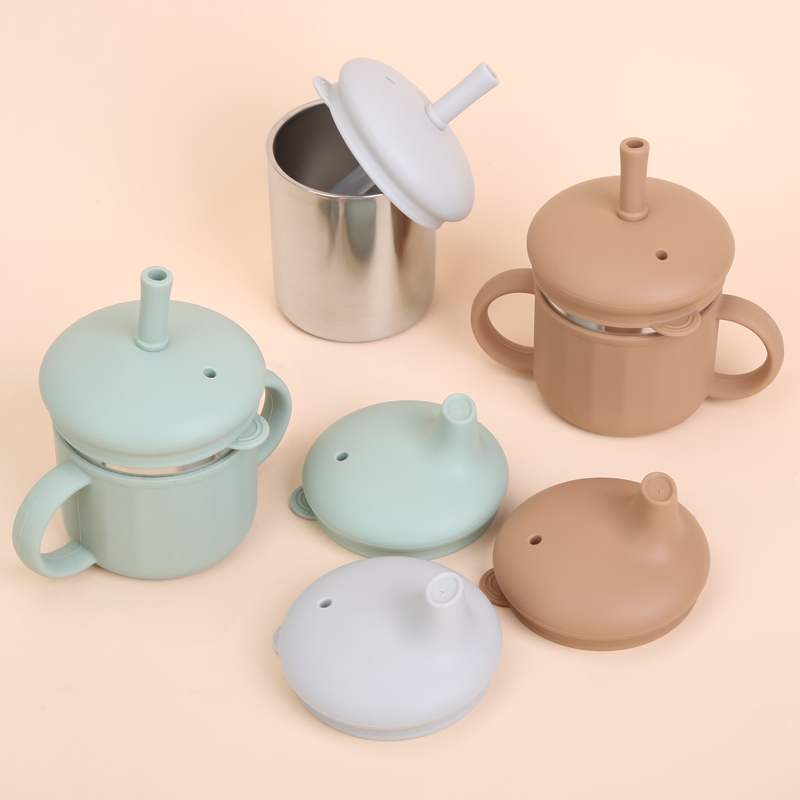
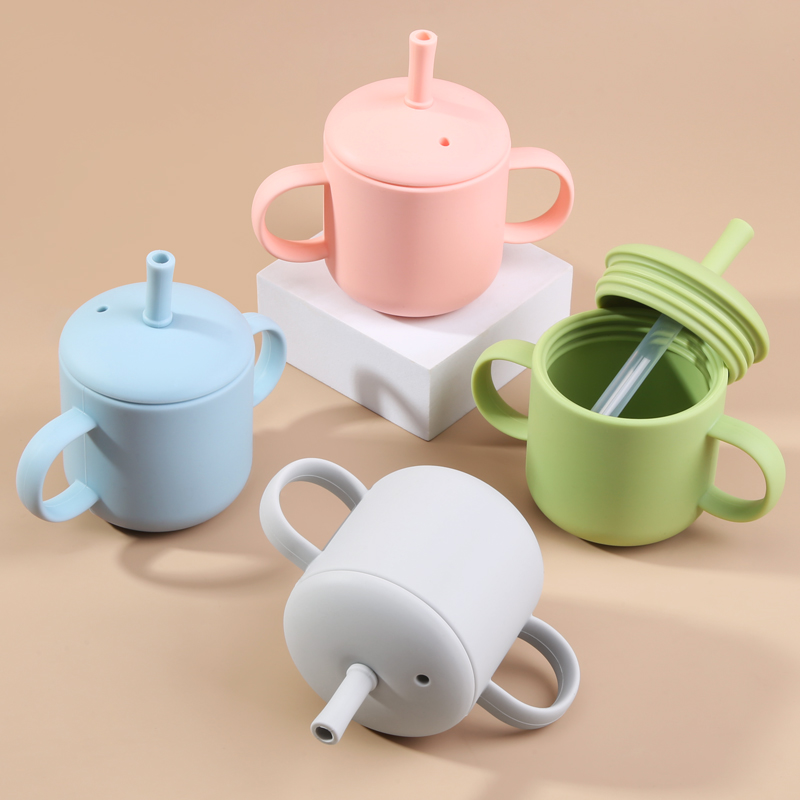
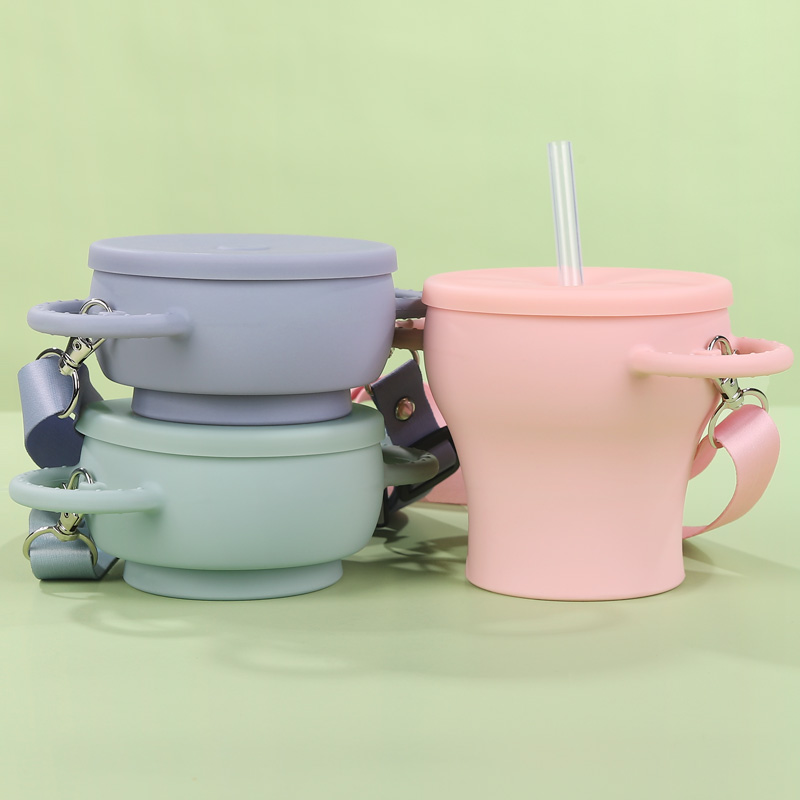
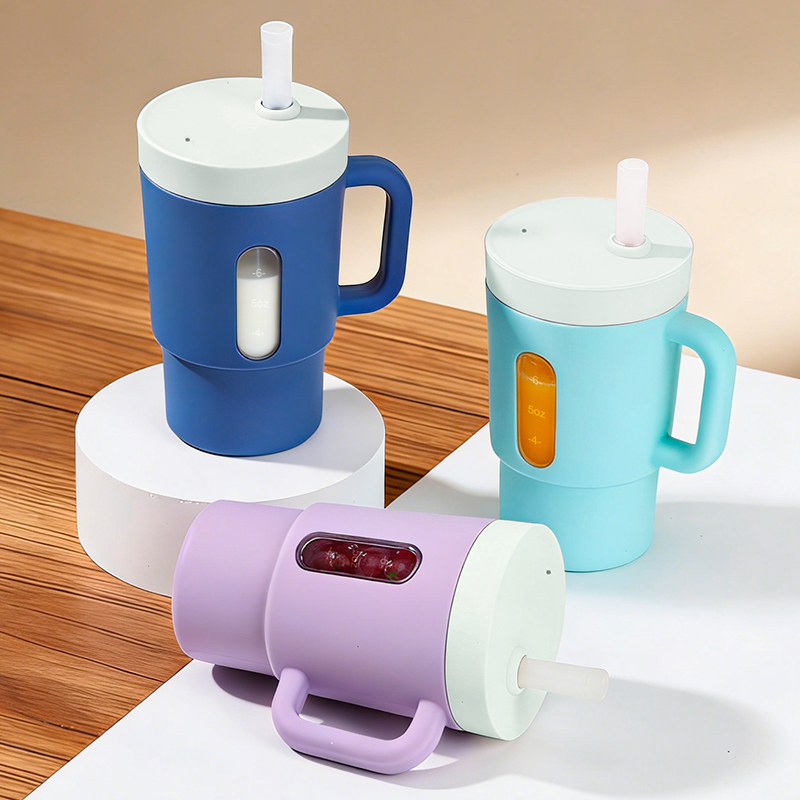
Why they matter: From 6 months, babies can begin practicing with an open cup. BLW sets often include cups designed for small hands — some with straws, some with handles, and some that convert from snack cup to sippy cup .
Key design features:
Small size: Fits baby's hands
Two handles: Easier for babies to hold and lift
Silicone material: Unbreakable and gentle on gums
Product opportunity: The 3-in-1 cup design (open cup, straw cup, and snack cup with lid) is a clever way to extend product utility and provide a clear reason to purchase .
5. Complete Feeding Sets
|
|
|
|
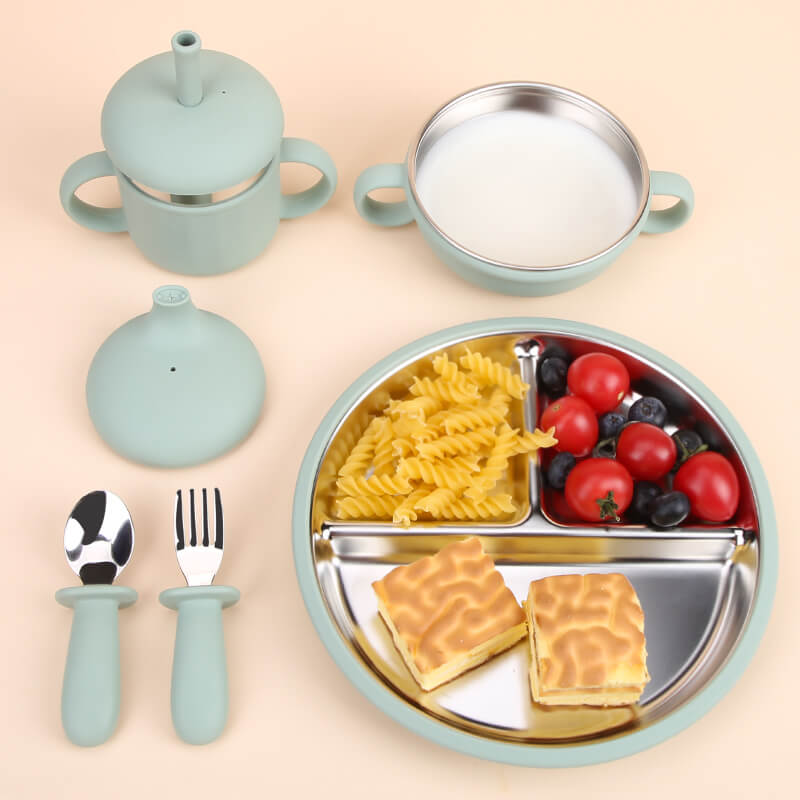
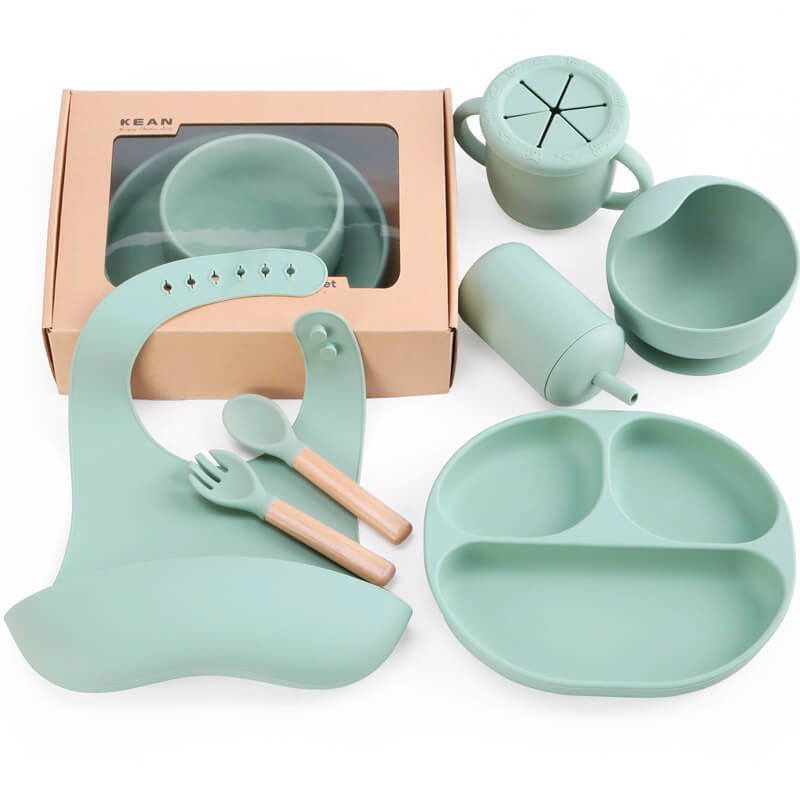
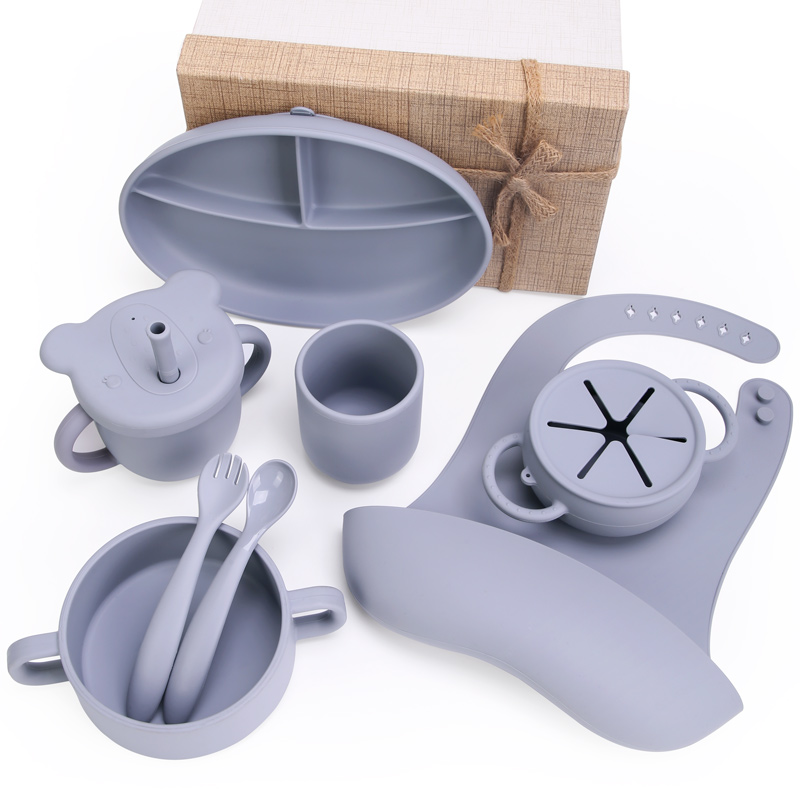
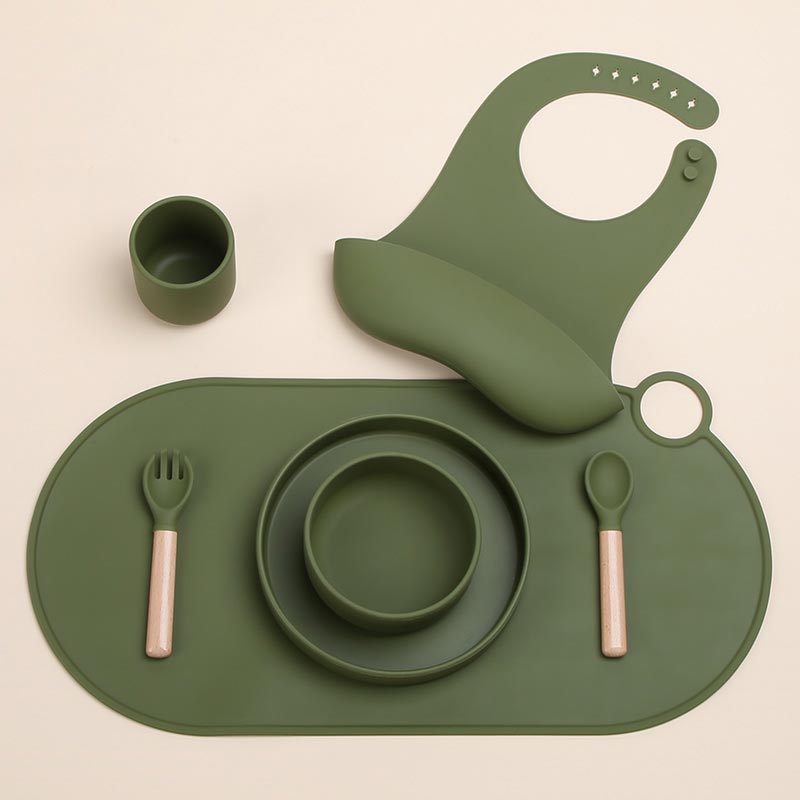
Why they matter: Many parents prefer to purchase a complete set rather than assembling individual pieces. Sets offer convenience, coordinated aesthetics, and often better value .
Typical set contents:
1 suction divided plate
1 suction bowl
1 adjustable silicone bib
1 cup (often convertible)
1 spoon and 1 fork (sometimes multiple)
Optional: snack lid, straw, storage lid
B2B insight: Complete sets are a strong entry point for brands entering the BLW market because they solve the "what do I need?" problem for new parents and often achieve higher average order value.
Part 3: Material and Safety Considerations
For B2B buyers, material quality and safety certification are non-negotiable. Here is what to look for:
Material Requirements
Requirement | Why It Matters |
100% food-grade silicone | Safe for direct food contact; free from fillers |
Platinum-cured | No byproducts; purest silicone available |
BPA-free / phthalate-free / PVC-free / lead-free | Essential for baby products; meets CPSC and CPSIA standards |
Temperature tolerance: -40°C to 220°C | Enables freezer, microwave, and dishwasher use |
Safety Certifications to Request
FDA compliance (US market)
LFGB certification (EU market — stricter sensory and migration testing)
CPSC / CPSIA compliance — third-party testing for BPA, lead, and phthalates
EN71 (if product is classified as a toy)
Real-World Insight
Bumkins, a US-based brand with over 30 years of experience, highlights the quality distinction: they use third-party labs to ensure their products comply with CPSC and CPSIA standards and emphasise platinum-cured silicone for purity . This level of transparency and certification is exactly what B2B buyers should expect from their manufacturing partners.
Part 4: What B2B Buyers Should Look For
Product design:
Age-appropriate design (6 months+ for BLW starters)
Ergonomics for baby's developing motor skills
Suction effectiveness (tests on smooth surfaces)
Manufacturing:
In-house mold development capability
Quality control processes (in-process and final inspection)
Batch traceability
Documentation:
Material test reports (FDA, LFGB)
Finished product test reports (if applicable for toy classification)
Certificate of Compliance
Batch traceability documentation
Conclusion: Building a BLW Brand That Parents Trust
The BLW market is growing as more parents embrace this approach to introducing solids. For brands, the opportunity lies in offering products that genuinely support the baby's developmental journey while making mealtimes easier for parents.
Essential BLW product categories at a glance:
Category | Key Feature | Must-Have Certification |
Suction plates/bowls | Stay-put suction; divided sections | FDA, LFGB, BPA-free |
Self-feeding utensils | Short handles; soft silicone tips | Platinum-cured; CPSIA |
Silicone bibs | Deep food-catching pocket | BPA-free; dishwasher-safe |
Drinking cups | Small; unbreakable | BPA-free; LFGB |
Complete sets | All-in-one convenience | All of the above |

For B2B buyers, the critical success factors are:
Material quality — 100% food-grade, platinum-cured silicone.
Certification — FDA, LFGB, CPSIA, and third-party testing.
Design — purpose-built for BLW, not generic mini tableware.
Documentation — complete test reports and compliance certificates.
When parents choose your brand for their baby's BLW journey, they are trusting you with their child's safety and development. That trust begins with the materials you choose and the certifications you can prove.